Thaalavaneswarar Temple, Tiruppanandal
Location
Tiru-Panandal
Deity
Thaalavaneswarar, Senjadaiappar, Panangateesar
Female Deity
Thalavaneswari, Periyanayagi, Brahan-Nayaki
Pathikam
Sambandar - 1
Gallery – Thaalavaneswarar Temple, Tiruppanandhal


How to Reach
Tiruppanandhal is situated on the Kumbakonam – Anaikkarai road, approximately 18 km from Kumbakonam. The temple is also accessible from Aduthurai on the Kumbakonam – Mayiladuthurai highway. Travellers from Aduthurai pass through Tirumangalakudi on the way. Then-Kurangaduthurai, another Paadal Petra Sthalam on the south bank of the Kaveri, is also located at Aduthurai.
Temple Address
Thiruppanandal
Thiruppanandal Post
Kumbakonam Taluk
Thanjavur District
PIN – 612504
Temple Hours
Morning : 7:00 - 12:00
Evening : 4:00 - 8:30
Nearby Paadal Petra Shiva Temples
Nearby Divya Desams
Temple Layout
Entrance
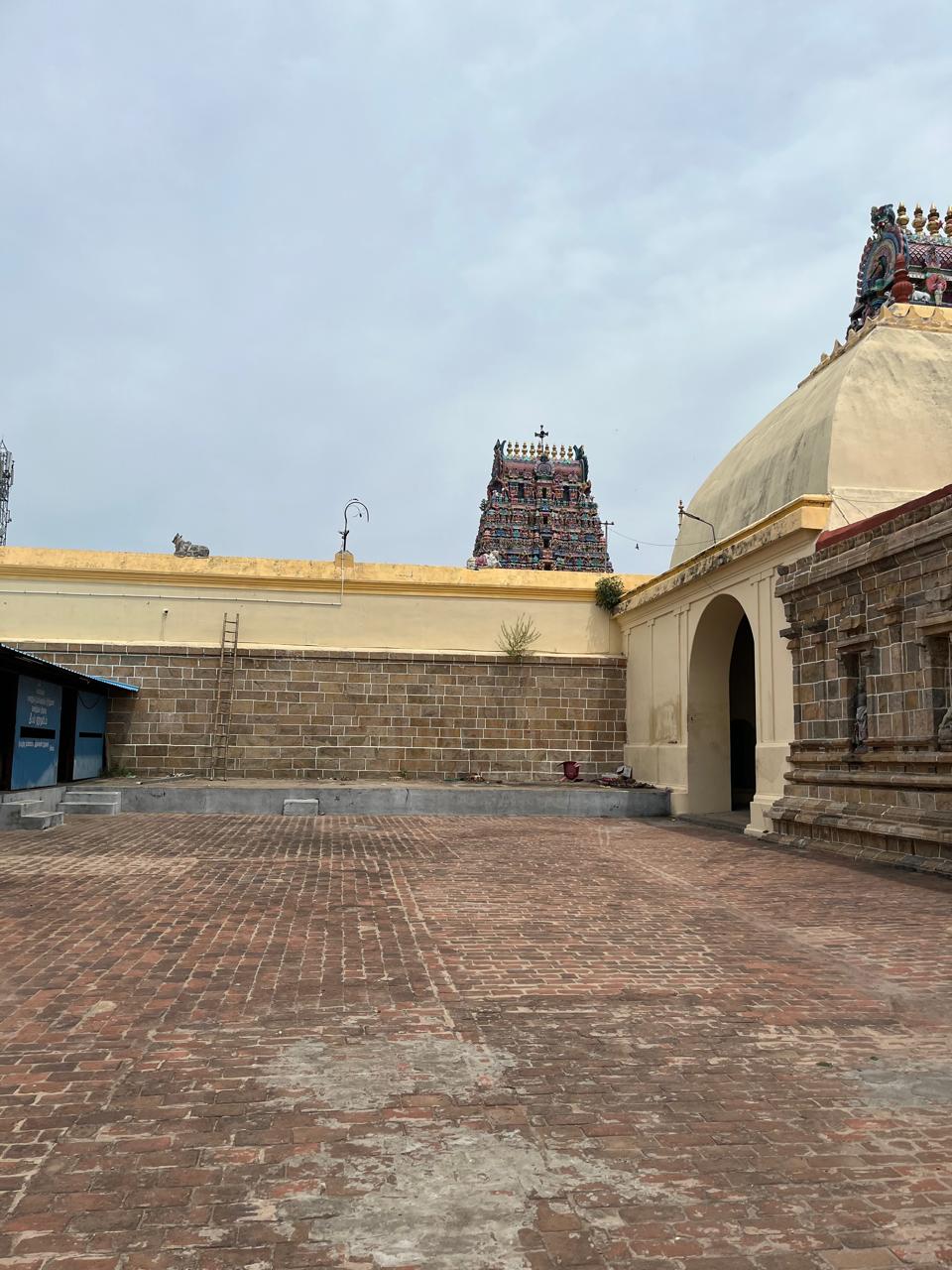
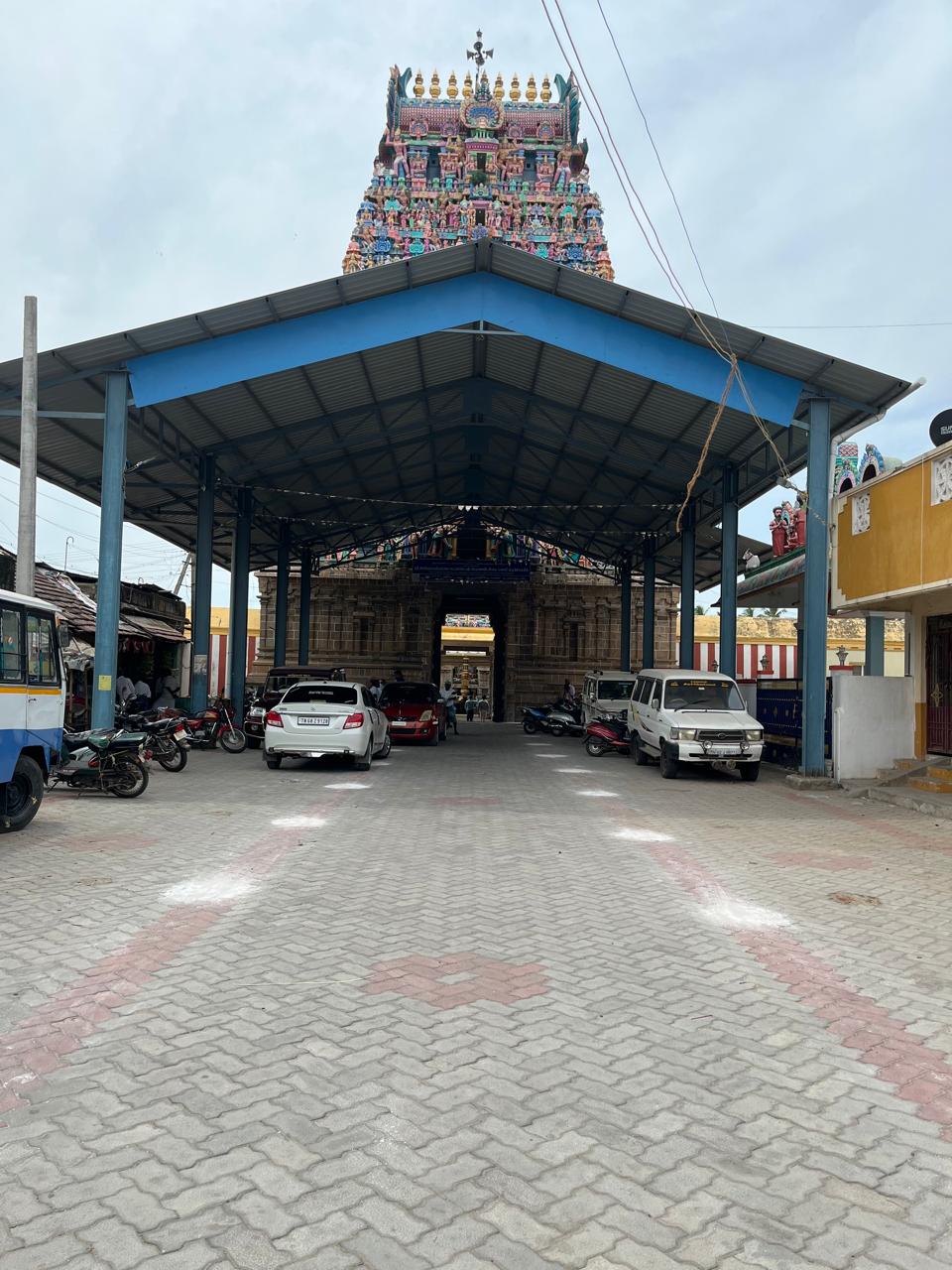
The Senjadaiappar temple faces westward and is entered through a tall, imposing tower that marks the threshold between the outer world and the sacred space within. Passing through this gateway, devotees enter a spacious sixteen-pillared hall, below which lies the sacred Nagakannika Theertham. In the outer enclosure, two notable features stand side by side — the sthala vruksham (sacred palm tree) and the Shiva Lingam that is said to have been worshipped at this spot by the demoness Thataka. The main sannidhi of the presiding deity Senjadaiappar faces west, and to its north lies the west-facing sannidhi of Goddess Brahan Nayaki.
The following temples have the palmyra tree (Panai Maram) as their Sthala Vruksham (sacred tree):
- Puravar Panankattur
- Tiruvothur
- Tiruvanpaarthan Panankaattur (Tirupanankaadu)
- Tirupananthal
- Tiruvalampuram
- Tirupanayur
Subramanya Sannidhi
The Thiruppugazh, the celebrated Tamil hymnal work of the saint Arunagirinathar, contains a composition dedicated to Lord Muruga at this temple. Muruga is enshrined here in a standing posture facing east, with a single face and four arms, flanked by his consorts Valli and Devasena Devi, with his peacock vahana nearby. The temple houses two festival idols — one resembling the main deity, and the other, known as Muthukumaraswamy, depicted without a peacock.
Sthala Puranam
Thataka’s Devotion
Thataka (not the demoness from the Ramayana), daughter of a demon clan, was an unwavering devotee of Senjadayappar of Tiru-Panandhal. Every day she would visit the temple carrying a garland as her offering. One day, as she approached the sanctum to place the garland on the deity, her upper garment began to slip. She faced a dilemma — she could either set down the garland to preserve her modesty, or continue and risk embarrassment before the assembled devotees. Sensing her predicament and moved by her devotion, Lord Senjadayappar himself intervened: he lowered his head so that Thataka could easily place the garland without setting it down. This act of divine grace gave the temple its alternate name, Thataka Eecharam, a name also used by Tirugnanasambandar in his Thevaram hymns.
Kungiliya Kalayar Nayanar & the Miracle of the Raised Head
After the Lord lowered his head for Thataka, it remained bowed despite all efforts by the king and others to raise it. It was Kungiliya Kalayar, one of the 63 Nayanmars (Shaivite saints), who resolved the situation. In an act of pure devotion, he tied a rope around the Lord’s matted locks and looped it around his own neck, binding himself to Shiva. Moved by this profound surrender of faith, the Lord raised his head. The legend continues with another miracle: when Kungiliya Kalayar’s son passed away and the body was being carried for cremation, a mysterious figure blocked the path and directed them to bathe in the sacred Naga Kannikai Theertham before returning home. On doing so, the son was miraculously restored to life.
Those Who Worshipped Here
Thataka, Nagakannikai, Adisesha, Brahma, Kungiliya Nayanar, and Arithuvasan are among the celebrated figures who have worshipped the presiding deity here and received divine blessings.
Parihara Worship
Kalasarpa & Naga Dosha
Devotees seeking relief from Kalasarpa dosha and Naga dosha may perform the prescribed ritual of lighting 14 ghee lamps and offering worship to the presiding deity, the Goddess, and Vinayaka, in addition to the regular parihara fee.
Guru Dosha & Other Malefic Influences
For the alleviation of Guru dosha and other unfavourable planetary influences, the prescribed worship involves lighting 15 ghee lamps and venerating the presiding deity, the Goddess, Dakshinamurthy, the Navagraha Guru, and Vinayaka.
More Gallery – Thaalavaneswarar Temple, Tiruppanandhal