Shivayoginatha Swami Temple, Thiruviyalur
Location
Tiruviyalur (now known as Thiruvisainallur)
Deity
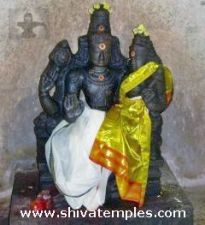
Shivayoginatha Swami, Vilvaaranyeswarar, Yoganandeswarar
Female Deity
Soundara-Nayaki, Shantha-Nayaki
Pathikam
Sambandar - 1
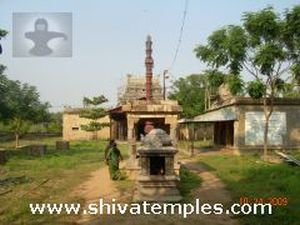
Gallery – Yoganandheeswarar Temple, Tiruviyalur

How to Reach
Tiruviyalur, also known as Tiruvisainallur, is situated about 9 km from Kumbakonam on the Veppattur–Suryanar Kovil road. The temple is also located approximately 8 km west of Tiruvidaimarudur along the Veppattur route. The nearby Paadal Petra Sthalam of Tirundudevankudi lies just 2 km away. Regular bus services operate from Kumbakonam to Tiruvisainallur, from where the temple can be conveniently reached on foot or by auto-rickshaw.
Temple Address
Thiruvisalur
Thiruvisalur Post
Via Veppathur
Kumbakonam Taluk
Thanjavur District
PIN – 612105
Temple Hours
Morning : 7:30 - 12:30
Evening : 4:00 - 8:00
Nearby Paadal Petra Shiva Temples
Temple Layout
Architecture and Sanctum
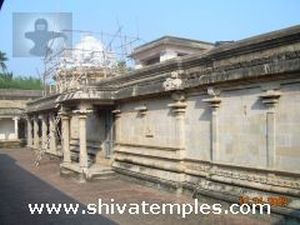
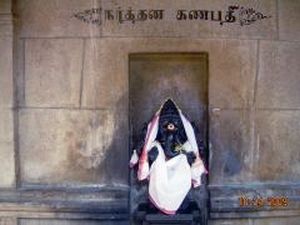
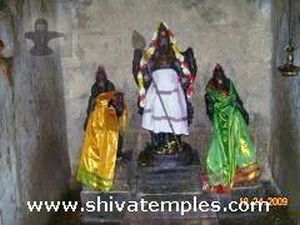
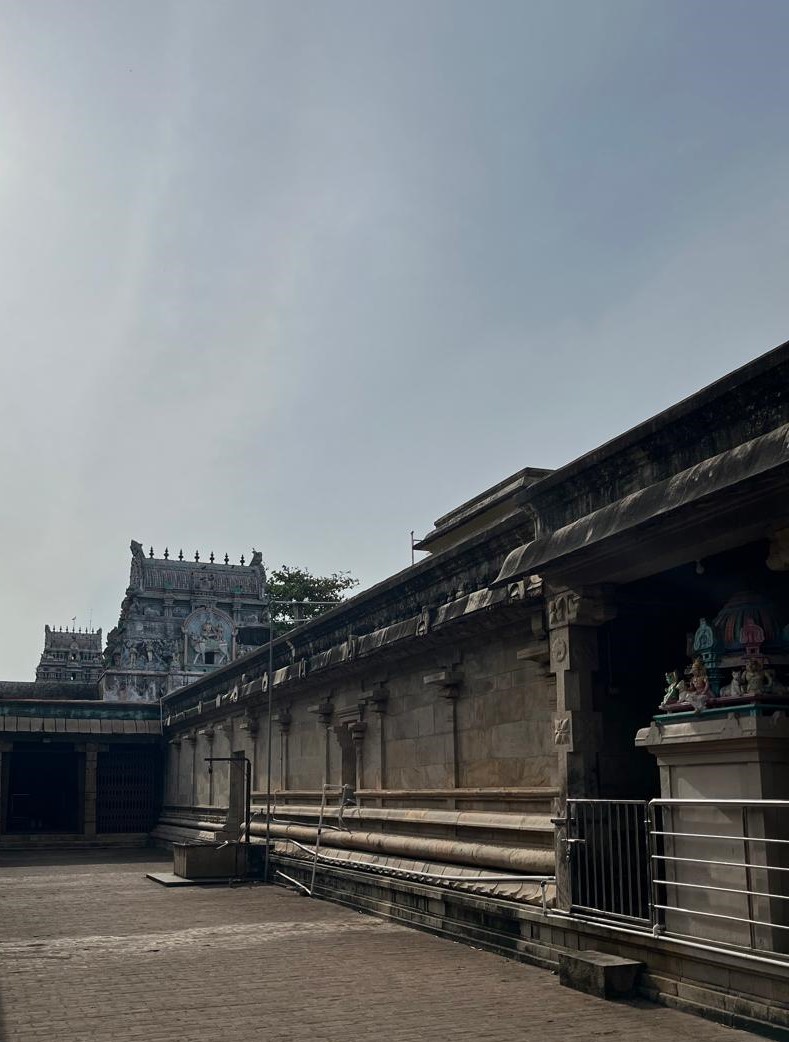
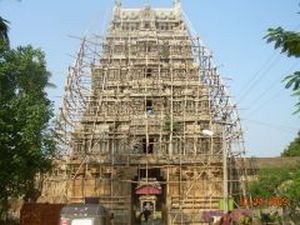
The temple is distinguished by its east-facing five-tiered Rajagopuram. Entering through the gateway, visitors encounter Kodimara Vinayaka, then the Balipeetam, followed by Nandi, and finally the Dwajasthambam — a departure from the usual arrangement in Shiva temples where the flagpole precedes Nandi. The outer courtyard does not have any subsidiary sannidis. The inner gateway leads to the sanctum where the presiding deity appears as a self-manifested (Swayambhu) Linga facing east. A remarkable phenomenon occurs on the first three days of the Tamil month Chithirai, when sunlight falls directly upon the Shiva Linga. The Goshta Murthas include Narthana Ganapathi, Mahavishnu, Brahma, and Goddess Durga. The western circumambulatory path features a sannidhi for Muruga with his consorts Valli and Deivanai. The temple also houses Panchalingams and a sannidhi for the Sthala Vinayaka.
Lakshmi Narayana Perumal
The sannidhi of Lakshmi Narayana Perumal, situated in the southwestern quarter of the temple, is of particular significance. Here, Maha Vishnu is enshrined in the rare and graceful form of Lakshmi Narayana, with Goddess Lakshmi seated upon his lap, symbolizing their inseparable divine union. Devotees believe that worshipping at this sannidhi on Thiruvonam, the birth star of the deity, as well as on Sravana days, Ekadashi, and Saturdays, while lighting a ghee lamp, helps dispel sorrows, removes obstacles to marriage, and grants the blessing of progeny.
Chaturkala Bhairava
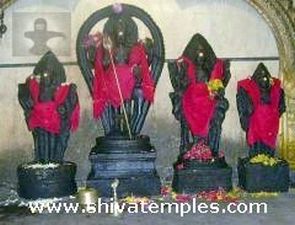
The Chaturkala Bhairava sannidhi at this temple is of exceptional significance, as it enshrines four distinct manifestations of Bhairava, each representing one of the four yugas—Satya, Treta, Dvapara, and Kali. This rare form symbolizes the Deity’s protective presence throughout the cycles of cosmic time. Devotees worship at this sannidhi seeking divine grace and protection, and it is believed that lighting a pepper lamp on Ashtami days during both the waxing and waning phases of the moon, as well as during Rahu Kalam on Sundays, helps remove obstacles and attracts the blessings of Chaturkala Bhairava.
Rishabha Rasi Parihara
This temple is especially auspicious for those born under Rishabha Rasi (Taurus) — encompassing the stars Krithika, Rohini, and Mrigasheersham — as well as for those born in the Rishabha Lagna. Performing religious rites and making offerings here is believed to neutralise adverse planetary influences and fulfil devotees’ prayers.
The Ancient Sun Dial
Near the southern wall of the temple stands a sundial dating back approximately 700 years, a remarkable testament to the astronomical expertise of the ancient Tamils. The device consists of a meticulously crafted semicircular stone sphere with numerals carved around its perimeter representing the hours from 6 am to 6 pm. At its centre, a brass nail fixed into the stone acts as the gnomon. As the sun moves across the sky, its rays strike the gnomon and cast a shadow upon the numerals; the numeral in shadow indicates the current time with remarkable accuracy. This 700-year-old timepiece endures as powerful evidence of the sophisticated understanding of solar patterns and celestial mechanics possessed by the Tamil civilization.
Temple Significance
Birthplace of Sridhara Ayyavaal
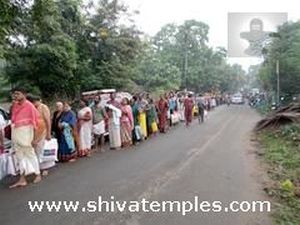
Tiruvisainallur is the birthplace of the revered 15th-century saint and scholar Sridhara Ayyavaal, celebrated for his spiritual devotion and miraculous powers. According to tradition, Ayyavaal prayed fervently that the sacred Ganges flow into his village well for the benefit of his fellow villagers — and miraculously, it is said the river’s waters did indeed spring forth. Every year on the new moon of the Tamil month of Karthigai (November–December), thousands of pilgrims gather at Tiruvisainallur to bathe in the well, believing the waters carry the same sanctifying blessings as the Ganges itself.
Sambandar’s Pathikam
Tiru-Gyanasambandar composed a Pathikam in praise of the presiding deity of this temple, which is enshrined in the First Thirumurai.
More Gallery – Yoganandheeswarar Temple, Tiruviyalur