Vaanchinathar temple, TiruVanchiam
Location
Sri-Vaanchiyam
Deity
Vaanchinathar, Vanchi Lingeswarar
Female Deity
Mangala-Nayaki
Pathikam
Tirunavukarasar - 1, Sambandar - 1, Sundarar - 1
Gallery – Vaanchinathar Temple, TiruVanchiam


How to Reach
This Shiva temple is situated about 6 km south-west of the Nannilam bus stand and approximately 15 km north-west of Tiruvarur. Nannilam is the nearest town to the temple, and bus facilities are available from Nannilam for devotees and visitors to reach the temple.
Temple Address
Tiruvanchiam
Nannilam Taluk
Tiruvarur District
PIN – 610110
Temple Hours
Morning : 6:00 - 12:30
Evening : 4:00 - 8:00
Contact
04366 228305, 9443354302
Nearby Paadal Petra Shiva Temples
Sacredness of Tiruvanchiam
The Six
Among the Shiva temples situated along the banks of the River Cauvery, six temples are traditionally regarded as being equal in holiness to Varanasi (Kashi) :
- Tiru-Chaai-Kaadu (Chaayaavanam)
- Tiru-Venkaadu
- Tiruvaiyaru
- Tiru-Vidai-Maruthur
- Mayiladuthurai
- Tiru-Vanjiam
Among these revered temples, Tiruvanchiam is believed to be “one-sixteenth” more sacred than Varanasi itself. Temple traditions further state that Shiva once told Parvati that this was among the places dearest to Him.
Ancient Swayambhu Lingam
The presiding deity of this temple, Vanchinathar, appears in the form of a Swayambhu Lingam (self-manifested Shiva Lingam). It is believed to be the oldest among the sixty-four sacred Swayambhu Lingams worshipped throughout the world. Among temples in Tamil Nadu, this temple is considered second only to Tirukadaiyur in its unparalleled sanctity.
Temple Architecture
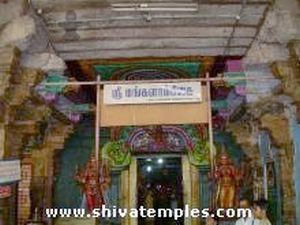
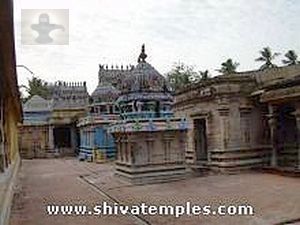
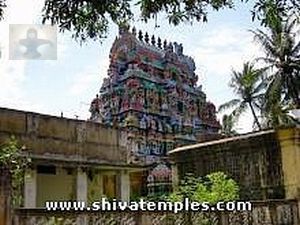
The temple, measuring approximately 558 feet in length and 320 feet in breadth, is one of the prominent temples of Tamil Nadu. The vast temple complex consists of three gopurams, three prakarams, and a majestic five-tiered Raja Gopuram that stands prominently at the entrance. The architectural style and sculptural elements of the temple reflect influences from different periods, ranging from the Chola dynasty to the Nayakkar era.
Unique Features of the Temple
Sannidhis of Yama
One of the most distinctive features of this temple is the presence of a separate sannidhi dedicated to Yama, the God of Death. Unlike most temples, Yama is given prominence in the daily worship rituals, and devotees traditionally offer prayers at His sannidhis before proceeding for the darshan of the presiding deity.
Bhairavar and Rahu-Kethu
The temple also houses a separate sannidhis for Bhairavar in the inner prakaram. Bhairavar appears here in a rare yogic posture without His usual mount, the dog. Adjacent to this sannidhis is an unusual sculpture where Rahu and Kethu are carved together as a single image. It is believed that milk poured over this sculpture turns blue. Worship at this sannidhis is believed to remove obstacles in marriage, bless devotees with progeny, and provide relief from nerve-related ailments. Unlike many Shiva temples, Tiruvanchiam does not have a Navagraha shrine. Instead, Sanaischaran (Saturn) is housed separately in a niche.
Nayanmars and Mahishasuramardhini
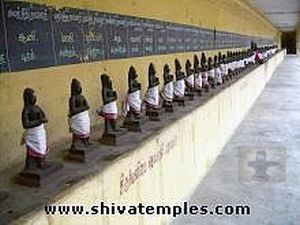
The inner prakaram houses the idols of the sixty-three Nayanmars, along with separate sannishis for Goddess Mahalakshmi and Goddess Mahishasuramardhini, who stands beside Her Simha Vahana. Worshipping Goddess Mahishasuramardhini with 108 lotus flowers during Rahu Kalam is considered especially auspicious.
Vennai Pillayar
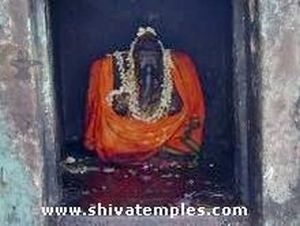
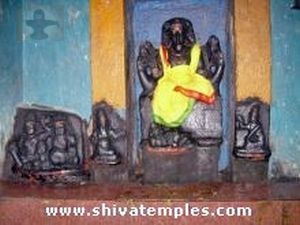
A unique relief sculpture known as Vennai Pillayar can also be seen in the first prakaram. Devotees suffering from stomach ailments traditionally apply butter to His abdomen and offer prayers seeking relief.
Unique Practice
A distinctive belief associated with Tiruvanchiam is that even when a death occurs within the village, the temple rituals continue without interruption—unlike in many other places where worship is paused until funeral rites are completed.
Sacred Theerthams
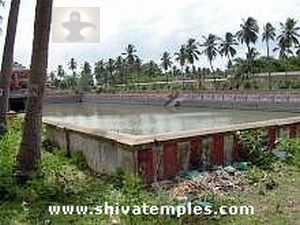
The temple is associated with three sacred temple tanks — Lakshmi Theertham, Naga Theertham, and Chakra Theertham — believed to have been created by Goddess Lakshmi, Adiseshan, and Chakrathazhwar respectively.
Bathing in Lakshmi Theertham is believed to reunite separated family members. A holy dip in Naga Theertham is said to remove Naga Dosha, while bathing in Chakra Theertham is believed to absolve devotees of Brahmahatti Dosham.
Gupta Ganga, situated on the northern side of the outer prakaram, is considered highly sacred. According to temple tradition, a holy dip here is believed to bestow spiritual benefits equivalent to bathing in Varanasi, Rameswaram, and the Mahamaham tank at Kumbakonam. Devotees traditionally worship Vinayaka on the banks of Gupta Ganga before taking the sacred bath.
Sthala Purana – Legend of Yama
According to temple legends, Yama, the God of Death, became concerned about the burden of sins associated with taking away human lives according to divine law. Seeking relief, He approached Brahma, who advised Him to search for a sacred place along the banks of the River Cauvery where sandalwood trees grew abundantly and perform penance to Shiva there.
Yama eventually reached Gandhaaranyam, meaning “the fragrant forest,” and performed intense penance. Pleased by His devotion, Shiva granted him the boon that he would not be burdened by the sins or blame associated with taking lives. He also blessed that those who worship Shiva in this temple would meet their end peacefully. He further ordained that Yama, who serves as the Kshetra Palaka (guardian deity) of this place, must be worshipped first before offering worship to the main deity.
This temple is notable for having a separate shrine for Yama, the Lord of Death. In the Agni (south-east) corner of the temple, there are independent south-facing sannidhis for Yama and Chitragupta. Daily worship and rituals are first performed for Yama Dharma Raja. It is a tradition that devotees should bathe in the sacred Gupta Ganga tank and worship Yama first before worshipping other deities in the temple. Those suffering from fear of death or mental distress are believed to be relieved upon worship here.
Sthala Vruksham and pathikam
Unique Practice
The Sthala Vriksham (sacred tree) of this temple is the sandalwood tree. Unlike most Shiva temples where bilva leaves are used in worship, the deities here are worshipped with sandal leaves.
Thevaram
The hymns composed in praise of the deity of this sacred have been sung by all three of the principal Thevaram composers — Tirugyana Sambandar, Tirunavukarasar (Appar), and Sundarar.
Gallery – More Photos