Alanthurai Nathar Temple, Tiruppullamangai
Location
Tiru-Pulla-Mangai (Popularly known as Pasupathikoil)
Deity
Alanthurai Nathar, Pasupathi Nathar
Female Deity
Alliyangothai, Soundaranayaki
Pathikam
Sambandar - 1
Gallery – Pasupatheeswarar Temple, TiruPullamangai
How to Reach
This Shiva temple is situated approximately 16 km from Thanjavur and 28 km from Kumbakonam. Visitors can reach the temple by traveling along the Thanjavur–Kumbakonam Highway and alighting at the Pasupathikoil bus stop. From there, the temple is located about 2.5 km away and can be reached by a short walk or local transport. Regular town bus services operate from Thanjavur.
Temple Address
Pasupathi Koil
Pasupathi Koil Post
Thanjavur District
PIN – 614206
Temple Hours
Morning : 9:00 - 10:30
Evening : 6:00 - 7:30
Nearby Paadal Petra Shiva Temples
Temple Glory
Saptha Sthana & Pasupathiswarar
Pasumangai (Thirupullamangai) is revered as the fifth of the Saptha Sthana temples, while nearby Tiruchakkarapalli is celebrated as the first among the seven sacred 'Mangai' temples. The Saptha Sthana group comprises Chakrapalli, Ariyamangai, Soolamangai, Nandhimangai, Pasumangai, Thazhamangai, and Pullamangai, all of which were worshipped by the Saptha Mathas and the Saptha Rishis. This temple is especially significant because it is believed that the Saptha Kanyas offered their worship here, and that Kamadhenu, the celestial cow, performed daily abhishegam with her milk to the deity. Owing to this divine act, the presiding deity came to be known as Pasupathiswarar, the Lord worshipped by the celestial cow. The temple is also associated with the profound legend of the Samudra Manthanam (the churning of the Ocean of Milk). When the deadly Alakala (Halahala) poison emerged from the ocean and threatened to destroy the universe, Shiva compassionately consumed it and held it in His throat to protect all creation. Tradition holds that this sacred site is connected with that divine act, and hence the temple came to be known as Alanthurai, while the deity is worshipped as Alanthurainathar.
Durga Mahishasuramardini
One of the most remarkable sculptures in this temple is the exquisite image of Mahishasuramardini Durga located in the northern prakaram. The goddess is depicted in a majestic standing posture upon the head of the buffalo demon, sheltered beneath a beautifully carved black-stone parasol. Her multiple hands bear a variety of divine weapons, including the conch, sword, bow, mace, trident, shield, and ankusha, symbolizing her supreme power and victory over evil. A deer and a lion stand beside her, representing both the gentle and fierce manifestations of divine energy. Adding to the dramatic intensity of the sculpture are two warriors portrayed in acts of extreme self-sacrifice, one attempting to sever his own head and the other cutting into his thigh with a knife as an offering to the goddess. This masterful image is regarded as one of the finest examples of Chola-period artistry. The Durga sculptures found at Thiruppullamangai, Thirunageswaram Temple, and Dhenupureeswarar Temple are traditionally believed to be the work of the same sculptor. Renowned for their exceptional craftsmanship, powerful expression, and spiritual aura, these three idols are celebrated as masterpieces of South Indian temple sculpture and continue to inspire awe among devotees, historians, and art enthusiasts alike.
Chola Sculptures
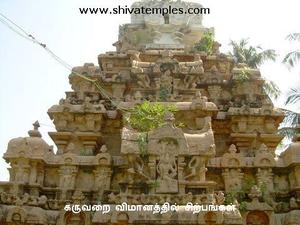
The temple's sculptures, dating back to the Chola period, are truly remarkable and deserve admiration. Notably, the Artha Mandapa features numerous intricate sculptures adorning its pillars, showcasing the artistic prowess of that era.
Temple Puranic History
Origin & Naming
Situated on the banks of the Kudamurutti River, this ancient temple was historically known as Pulla Mangai. The shrine itself came to be called Alanthurai, a name believed to have originated from its association with the banyan tree (sthala vruksham) and its location along the riverbank. The great Shaivite saint Tirugnanasambandar frequently praised Pulla Mangai in his devotional hymns, extolling the glory of the deiy enshrined at Alanthurai. The antiquity and religious importance of the temple are further confirmed by historical inscriptions that refer to it as "Alanthurai Mahadeva Koil." In more recent times, the temple has become popularly known as Pasupathi Koil, a name that reflects the worship of Pasupathiswarar while continuing to preserve the rich spiritual, historical, and cultural legacy of this Chola-era temple.
The Layout
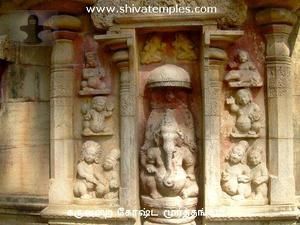
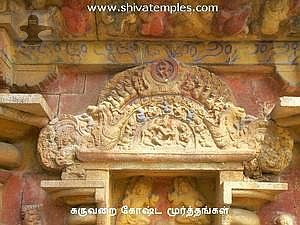
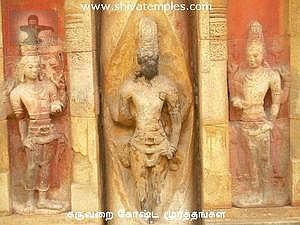
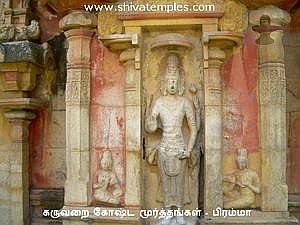
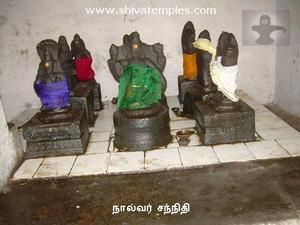
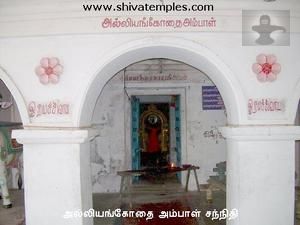
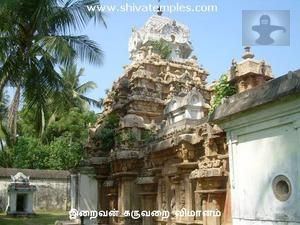
The Tiruppullamangai Pasupathiswarar Temple is one of the celebrated Maadakoils built by the renowned Chola king Kochengat Chola, who, according to tradition, constructed temples with elevated sanctums that elephants could not access, inspired by events from his previous birth. This temple features a graceful three-tiered east-facing Rajagopuram and exemplifies the distinctive Maadakoil style of architecture. Upon entering through the gopuram, devotees arrive at a spacious outer courtyard, where the sannidhi of the Goddess is located on the northern side facing south. The outer prakaram also houses separate sannidhis for Vinayaka and Subramania, while the sanctum of the presiding deity is uniquely surrounded by a moat-like enclosure. Within the Goshtam, devotees can worship Vinayaka, Dakshinamurthy, Mahavishnu, Brahma, and Durga, each beautifully enshrined around the sanctum. The temple also contains dedicated sannidhis for the four principal Nayanmars and the Navagrahas.
Pathigam Significance
The hymn composed by Sambandar in honor of the deity enshrined here is included in the first Thirumurai.
Gallery – Pasupatheeswarar Temple, TiruPullamangai