Dhayanitheeswarar Temple, Tiruvadakurangaduthurai
Location
Vada-Kurangadu-Thurai (now known as Aduthurai Perumal Koil)
Deity
Kulaivanangunathar, Dhayanitheeswarar, Valeeswarar
Female Deity
Jata Makuteshwari, Azhagu Sadaimudiammai
Pathikam
Sambandar - 1
Gallery – Dayanidheeswarar Temple, Vadakurangaduthurai

How to Reach
This Shiva temple is located about 22 km from Kumbakonam and 11 km from Tiruvaiyaru, along the Kumbakonam–Tiruvaiyaru road via Swamimalai, Umayalpuram, and Kapisthalam. The temple is situated just beyond the village of Ullikkadai and lies slightly away from the main road, nestled in a peaceful setting a short distance inward from the roadside.
Temple Address
Aaduthurai Perumal Koil
Ullikkadai Post
Via Ganapathi Agraharam
Papanasam Taluk
Thanjavur District
PIN – 614202
Temple Hours
Morning : 7:00 - 12:00
Evening : 4:00 - 8:00
Nearby Paadal Petra Shiva Temples
Nearby Divya Desams
Temple Layout
Gopuram and Outer Courtyard
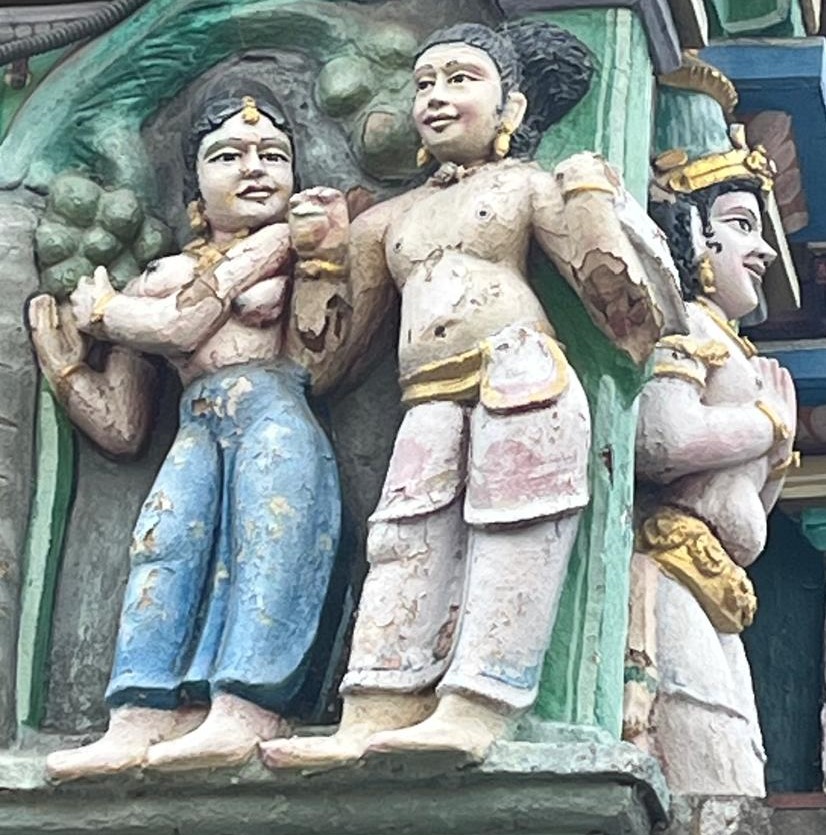
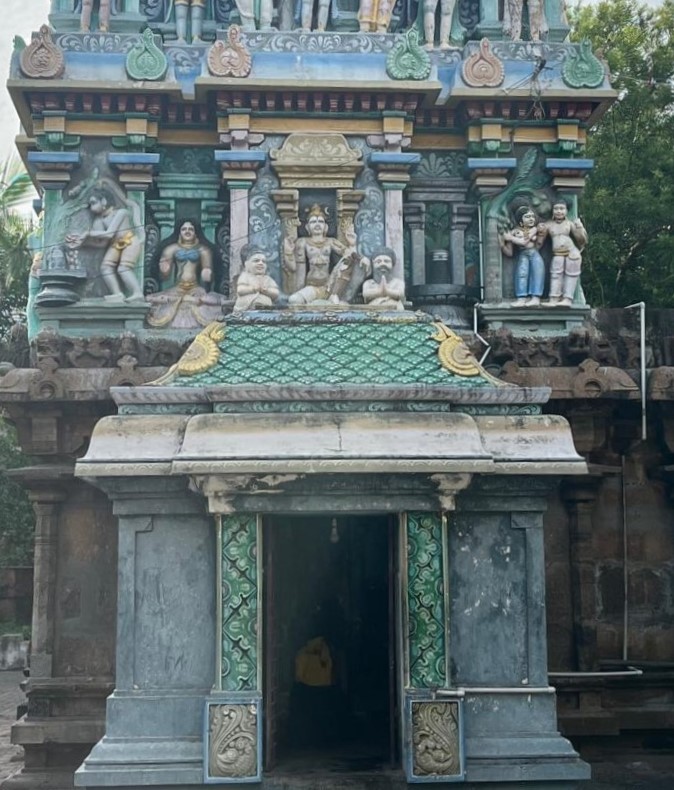
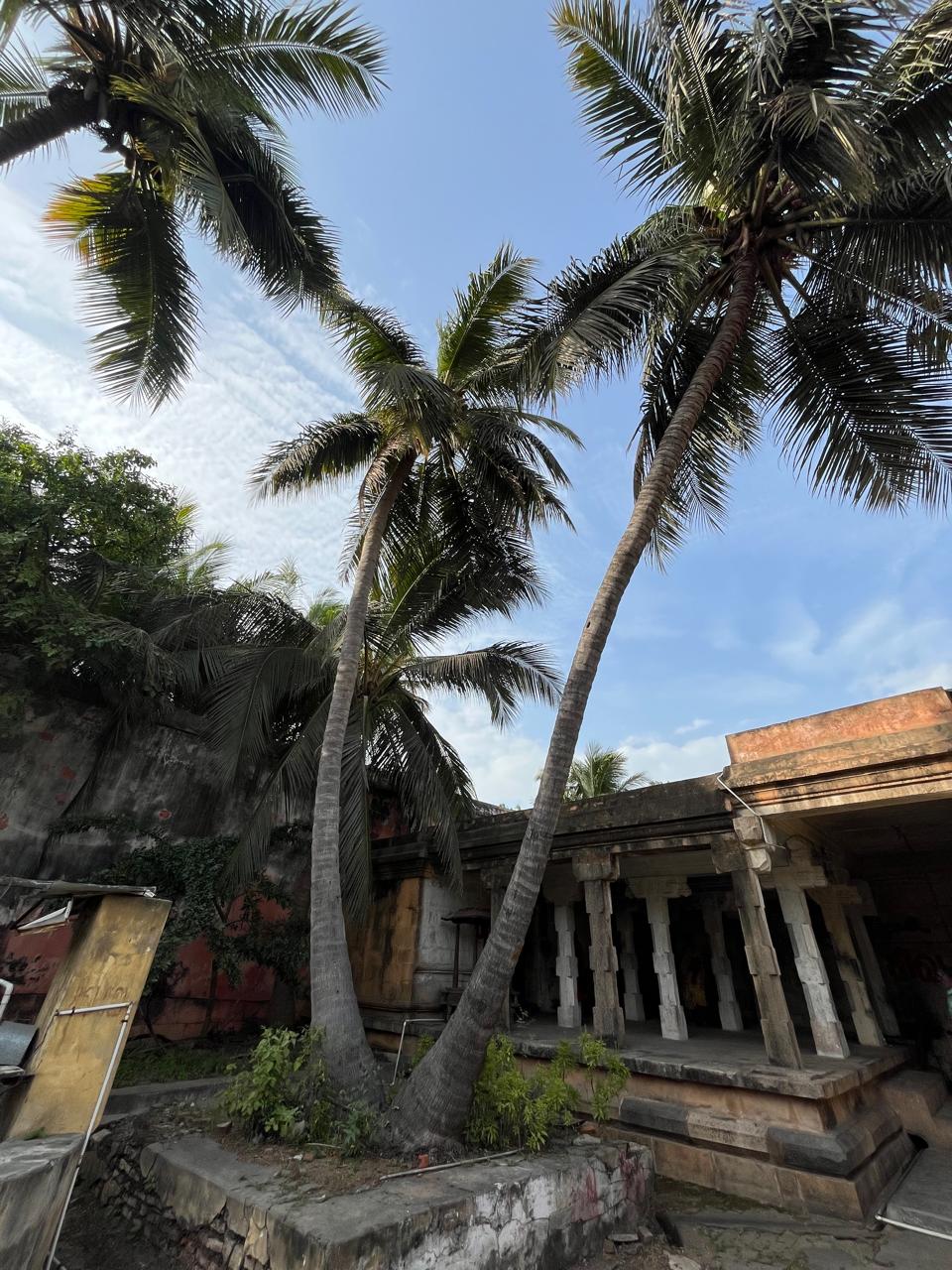
Situated on the northern bank of the sacred River Cauvery near Tiruvaiyaru, this temple is one of the celebrated Thevaram temples. It should not be confused with the other temple named Aaduthurai near Tiruvidaimaruthur on the Kumbakonam–Mayiladuthurai road. To distinguish it from that temple, this temple is popularly known as Aaduthurai Perumalkovil. The temple features a majestic five-tiered Rajagopuram and two expansive prakarams. Entering through the main gopuram, devotees first encounter the Vahana Mandapam on the right, while the recently consecrated Navagraha sannidhi stands to its west. Further west is the sannidhi of the Goddess. Facing the inner entrance to the sanctum is the Pradosha Nandi, and the outer prakaram also contains a goshala (cowshed). The temple is closely associated with an interesting legend from the Ramayana. It is believed that Vali worshipped the deity here, seeking the restoration of his severed tail after a fierce battle with Ravana. This episode is beautifully depicted through intricate carvings on the temple’s vimana. Another notable sculpture portrays Shiva compassionately bending the branch of a coconut tree to help a pregnant woman, reflecting the deity’s grace and concern for devotees.
Inner Courtyard Sannidhis
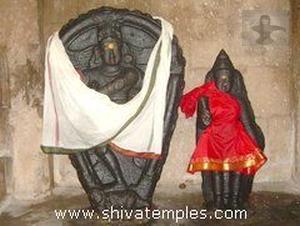
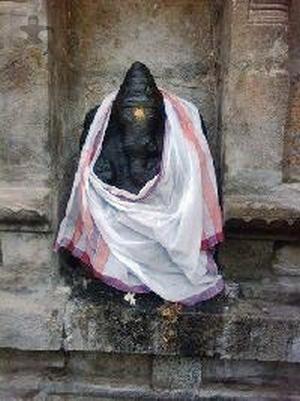
At the junction of the southern and western walls of the main sanctum, a small yet captivating sculpture portrays Vali offering devoted worship to a Shiva Linga. A distinctive feature of this temple is that, instead of the customary Lingothpavar image found on the rear wall of the sanctum, there is a beautifully crafted representation of Arthanareeswarar, depicted in an exceptionally graceful form. Proceeding towards the southwestern side of the prakaram, devotees come across the sannidhi of Maha Ganapathi, followed by the sannidhi of Valli-Devasena Sametha Subramania. Here, Muruga stands majestically with four sacred hands, a form praised in three hymns of Arunagirinathar’s Thiruppugazh. Nearby are the sannidhis of Kasi Vishwanathar and Gajalakshmi, adding to the spiritual significance of the temple complex.
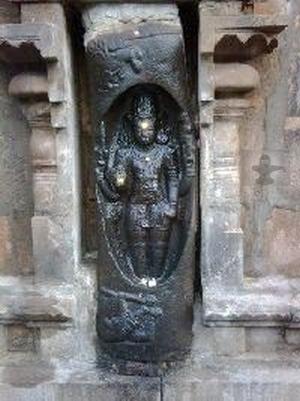
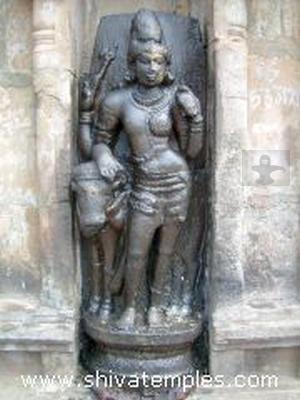
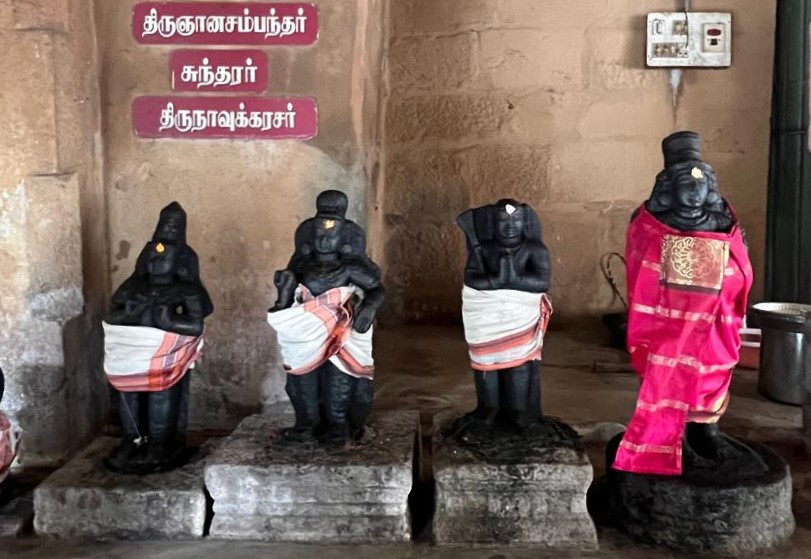
In the northeastern corner of the northern prakaram stands the Nataraja Sabha, facing south, where Nataraja is beautifully depicted in stone performing the blissful Ananda Tandavam in the presence of Goddess Shivakami. Along the eastern prakaram are the idols of Shani, Bhairava, Surya, and Naga, as well as the images of the three celebrated Thevaram saints. Of particular interest is a unique sculpture of the woman for whom Lord Shiva is believed to have compassionately bent a cluster of coconuts, commemorating a cherished local legend associated with the temple.
Main Sanctum and Goddess
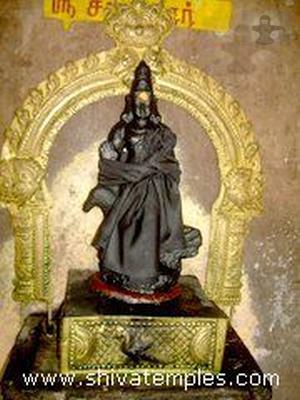
The presiding deity, Dayanidheeswarar, is enshrined in the form of a Shiva Linga distinguished by its comparatively short shaft. Goddess Jata-Makuta Nayaki resides in a separate sanctum, radiating grace with her hair elegantly arranged in a lofty knot (jata makuta) atop her head. She receives special adornments and worship on every full moon day, attracting large numbers of devotees. Devotees believe that offering a garland of turmeric to Goddess Jata-Makuta Nayaki helps remove various doshas and brings divine blessings. The temple is also revered as a sacred place where expectant mothers pray for a safe and smooth delivery, seeking the compassionate grace of the Divine Mother for a healthy childbirth.
Sthala Puranam
Kulaivanangunathar — He Who Bent the Palm Branches
According to local tradition, a pregnant woman once passed through the temple on a scorching day, seeking the blessings of the Deity. Exhausted by the intense heat and overcome by thirst, she eventually collapsed within the temple precincts. Moved by compassion, Shiva—who had earlier manifested as a caring mother to aid a devotee at Tiruchirappalli and is revered there as Thaayumanavar—came to her rescue. He is believed to have bent a nearby cluster of coconuts, enabling the woman to drink the refreshing tender coconut water and regain her strength. In remembrance of this divine act of compassion, the Deity came to be known as Kulai-Vanangu-Nathar, meaning “the Lord who bent the coconut cluster.” This legend continues to symbolize the deity’s boundless grace and his protective care for devotees, especially expectant mothers.
Anjaneya and Dakshinamurthy
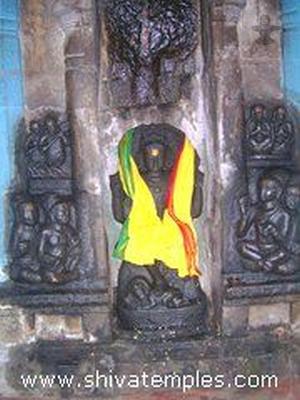
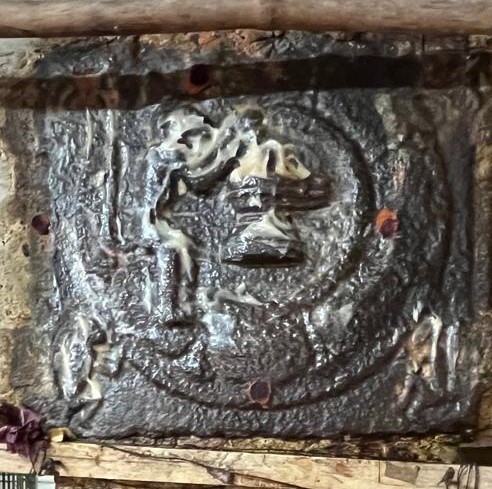
The temple at Vadakurangaduthurai is revered as one of the five sacred Shiva temples where Hanuman is believed to have worshipped a Shiva Linga. A finely carved image of Anjaneya offering devoted worship to a Shiva Linga can be seen on a pillar in the front mandapam before the main sanctum. Regarded as a prayer idol, this image is believed to swiftly fulfill the sincere wishes of devotees who seek Hanuman’s blessings and intercession. Another noteworthy feature of the temple is the Dakshinamurthy sannidhi located in the circumambulatory passage around the sanctum. Revered for its exceptional spiritual significance, this sannidhi attracts devotees seeking wisdom, knowledge, and divine guidance. It is believed that heartfelt prayers offered here help deepen one’s spiritual understanding and strengthen the bond between devotee and guru.
Vishnu Durga and the Blue Milk
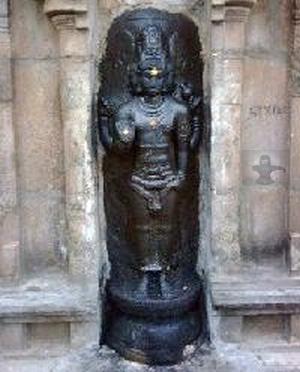
A powerful image of Vishnu Durga, depicted with eight arms, is enshrined in the northern niche of the sanctum wall. A unique phenomenon associated with this deity is said to occur during milk abhishekam: devotees believe that the milk acquires a striking bluish tint upon coming into contact with the idol, adding to the shrine’s mystique and spiritual appeal. The temple’s Vishnu Durga is particularly revered by women seeking the blessings of marriage. It is a popular belief that unmarried women who worship the Goddess with devotion and participate in the Rahukala Pooja performed during the auspicious worship period of Rahu Kala receive her grace and are blessed with a suitable life partner, leading to an early and harmonious marriage.
Jata-Makuta Nayaki — Granter of Boons
The sannidhi of the Goddess comprises a mukha mandapam, maha mandapam, and artha mandapam, at the heart of which stands the revered Goddess Jata-Makuta Nayaki. Depicted in a majestic standing posture with four sacred hands, the Goddess is celebrated for graciously fulfilling the sincere prayers of her devotees. Couples seeking the blessing of progeny traditionally visit the temple on auspicious full moon days, carrying a pouch of sprouted grains (Paalikai) tied around the waist or abdomen as part of their vow, and offer a garland of turmeric to the Goddess. Devotees firmly believe that worship performed in this manner invokes her grace and is blessed with the gift of a child. The Goddess is also widely revered for removing obstacles to marriage. It is customary to anoint her with turmeric and distribute henna powder in her name to women devotees, a practice believed to help bring about suitable matrimonial alliances. The sacred significance of this temple is further enhanced by the fact that it was praised by Tiru Gyanasambandar, whose hymn on the presiding deity is included in the Third Tirumurai of the Thevaram.
Gallery – Dayanidheeswarar Temple, Vadakurangaduthurai