Chakravaakeswarar Temple, Tiruchakkarappalli
Location
Tiru-Chakkara-Palli (Popularly known as Ayyampettai)
Deity
Chakravaakeswarar, Alanthurai Nathar
Female Deity
Devanayaki
Pathikam
Sambandar - 1
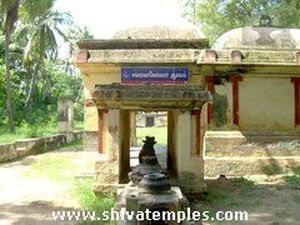
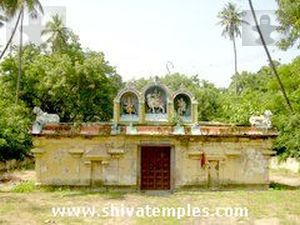
Gallery - Alanthurainathar Temple
How to reach
This Shiva Temple is located approximately 30 kilometers from Thanjavur. Bus facilities are available from Thanjavur to Ayyampettai.
Temple Address
Ayyampettai
Ayyampettai Post
Thanjavur District
PIN – 614201
Temple Hours
Morning : 9:00 - 10:00
Evening : 5:30 - 7:00
Nearby Paadal Petra Shiva Temples
Saptha Mangai Temple
Thiruchakkarappalli is revered as the foremost of the seven temples collectively known as the Saptha Mangai Sthalams and is also celebrated as a Paadal Petra Sthalam, sanctified by the hymns of the Tevaram saints. The Saptha Mangai group comprises Chakramangai (Thiruchakkarappalli), Ariyamangai, Soolamangai, Nandhimangai, Pasumangai, Thazhamangai, and Pullamangai, all of which are closely associated with the Saptha Mathas—Brahmi, Maheswari, Kaumari, Vaishnavi, Varahi, Mahendri, and Chamundi—as well as the revered Sapta Rishis, who are believed to have worshipped the deities enshrined in these sacred temples. The temple derives its name Thiruchakkarappalli from a sacred legend connected with MahaVishnu. According to tradition, Mahavishnu worshipped Shiva at this site and was blessed with the divine weapon Sudarshana Chakra (Chakrayudham). In remembrance of this event, the temple came to be known as Thiruchakkarappalli, meaning “the abode of the Chakra.” The presiding deity is worshipped as Chakravakeswarar, a name associated with the Chakravaka bird, symbolizing devotion, divine grace, and the eternal cycle of creation.
The Layout
Temple Structure
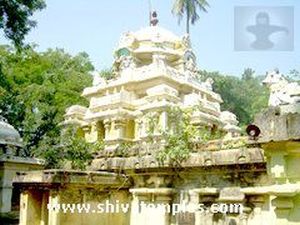
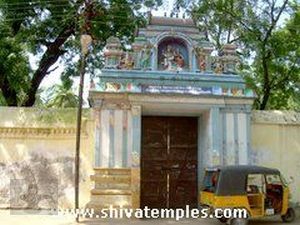
Unlike many traditional South Indian temples, this east-facing temple does not possess a towering rajagopuram, lending it a simple yet distinctive appearance. The entrance, though modest in scale, is adorned with finely crafted sculptures depicting Shiva, Parvati, Vinayaka, and Muruga seated upon the Rishabha Vahana (the divine bull). Another unique feature of the temple is the absence of a Kodimaram (Dwajasthambam), which is commonly found in most Shiva temples. Upon entering the temple, devotees are welcomed into a spacious courtyard that creates an atmosphere of serenity and devotion. Within this enclosure stands the south-facing sannidhi of the Goddess, gracefully positioned to bestow her blessings upon worshippers.
Sanctum Details
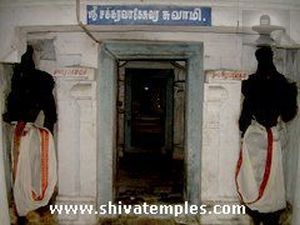
The second gateway leading to the sanctum is also richly adorned with beautiful sculptures depicting divine forms, including Shiva with His family seated on the Rishabha Vahana, Vinayaka upon his vahana Mooshika (Moonjuru), and Dhandapani mounted on his peacock. Surrounding the sanctum, the Goshta deities comprise Vinayaka, Dakshinamurthy, Lingodbhava, Brahma, and Goddess Durga, each enshrined in their traditional niches. The temple's open circumambulatory path further enhances its spiritual atmosphere, housing separate sannidhis dedicated to Vinayaka and Subramanya, where devotees can offer their prayers while performing pradakshina around the sanctum.
Presiding Deity
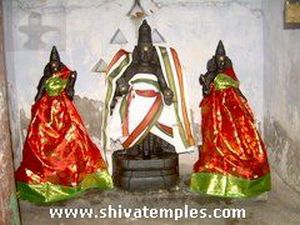
In the mandapam situated before the sanctum, devotees can worship Surya (the Sun God), Chandra (the Moon God), Bhairava, and the four principal Nayanmars. The presiding deity is a Swayambhu Linga (self-manifested Shiva Linga) distinguished by its elongated Bhana (the visible upper portion of the Linga). According to Puranas, this Linga was worshipped by Jayantha, the son of Indra, as well as by numerous Devas who sought the grace and blessings of the deity.
Tirupugazh Temple
TiruChakkarapalli is also enriched by a specific song dedicated to Muruga, featured in the Thirupugazh, composed by the revered saint Arunagirinathar. In this sacred space, Muruga is depicted with a divine visage and four auspicious arms, positioned facing east, alongside Valli and Deivanai who complements his presence. Additionally, the pathikam composed by Sambandar is part of the esteemed 3rd Thirumurai, emphasizing the transformative power for those who recite it with sincere devotion.
Gallery