AabhathSahayeswarar temple, Tiruanniyur
Location
Tiru-Anniyur (Now known as Ponnur)
Deity
Aabhath-Sahaayeswarar, Paanda-Thaveshwarar, Ratheeshwarar, Likucha-Aranyeshwarar
Female Deity
Periya Nayaki, Bruhan-Nayaki
Pathikam
Tirunavukarasar - 1, Sambandar - 1
Gallery – Aabhath-Sahaayeswarar Temple, Tiruanniyur
How to Reach
This shiva temple at Tiru-Anniyur is situated about 8 kilometres from Mayiladuthurai. Bus services operating from Mayiladuthurai towards Namashivayapuram and Paandur pass through Ponnur, from where the temple can be easily reached on foot.
Temple Address
Ponnur
Paandur Post
Via Needur
Mayiladuthurai Taluk
Mayiladuthurai District
PIN – 609203
Temple Hours
Morning : 7:00 - 11.30
Evening : 5:00 - 8.30
Nearby Paadal Petra Shiva Temples
Nearby Divya Desams
Temple Overview
Entrance & Sacred Pond
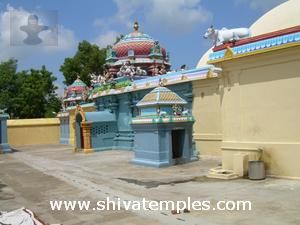
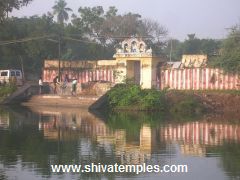
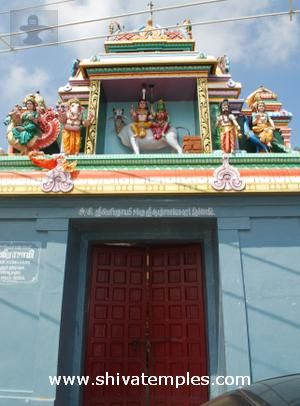
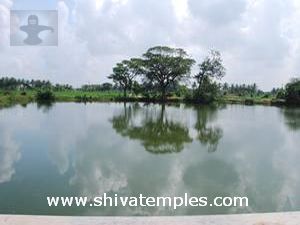
Nestled in the peaceful village of Ponnur, this modest yet graceful Shiva temple faces east and is situated along the northern side of the settlement. Though simple in appearance, the entrance is beautified with finely crafted sculptures adorning its upper portion, offering a pleasing and auspicious welcome to devotees. Adding to the spiritual charm of the surroundings is the sacred temple tank, known as Varuna Theertham or Agni Theertham, located directly opposite the temple entrance, enhancing the serenity of the temple’s tranquil setting.
Prakarams & Subsidiary Sannidhis
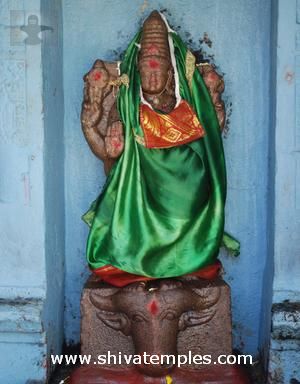
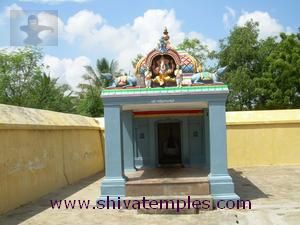
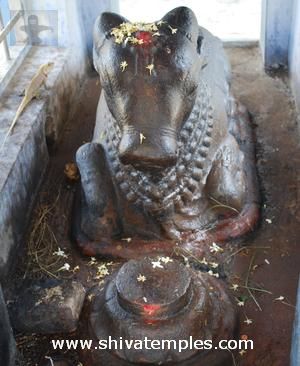
Upon entering the temple, devotees are greeted by the Nandi Mandap, surmounted by a small yet elegantly adorned vimana. Proceeding further inward, another gateway leads directly towards the sanctum sanctorum. The outer prakaram enshrines sannidhis dedicated to Vinayaka, Muruga, Goddess Mahalakshmi, and the Navagrahas. At the centre of the temple complex, directly facing the main sanctum, stands the Maha Mandap where devotees assemble for darshan. Within this mandap is the south-facing sannidhi of Goddess Bruhan-Nayaki, the divine consort of Shiva. Also enshrined here is the sacred Adi-Moola Linga, believed to have been created by Agni, the celestial god of fire, in reverential worship of the deity.
Presiding Deity & Goshta Murthas
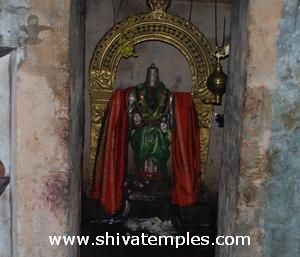
The sanctum sanctorum enshrines the swayambhu linga of Aabath-Sahayeshwarar, the compassionate presiding deity who is believed to remove even the gravest fears, dangers, and afflictions of those who seek refuge in him. A distinctive architectural feature of this temple is the placement of both the east-facing Swamy sannidhi and the south-facing Ambal sannidhi within the same Maha Mandap. The goshta murthas adorning the sanctum walls include Narthana Ganapathy, Dakshinamurthy, Lingothbhavar, and Goddess Durga. The surrounding prakaram contains sannidhis dedicated to Vinayaka, Muruga with his divine consorts Valli and Deivanai, Chandrashekarar, Natarajar, Shivakami, Aadi-poora Amman, Durgai, and Asthradevar. Among the notable iconographic features of the temple is the idol of Muruga, who is depicted wearing a distinctive circular ear ornament, lending a rare uniqueness to the deity’s appearance. The sacred Sthala Vruksham of the temple is the lemon tree.
Significance & Sthala Purana
Surya – The Curse & Liberation
Tiru-Anniyur is revered as the sacred site where the Sun God Surya was absolved of a divine curse. According to the Sthala Purana, after Shiva reduced Kamadeva to ashes at Tiru-Kurukkai, Surya became captivated by Rati, the grief-stricken consort of Kamadeva. Distressed by this, Rati cursed Surya’s right hand, causing it to wither away. Filled with remorse, Surya journeyed to Tiru-Anniyur and worshipped the presiding deity here with sincere devotion and penance. Pleased by his prayers, Shiva restored Surya’s afflicted hand and granted him relief from the curse, thereby sanctifying this shrine as a place associated with divine redemption and grace.
Rati Devi & the Revival of Kamadeva
Rati Devi is believed to have worshipped Aabhath-Sahayeshwarar with intense devotion, praying for the restoration of her husband Kamadeva, who had been reduced to ashes. Deeply moved by her sincere penance and unwavering devotion, Shiva granted her boon and revived Kamadeva. However, he decreed that Kamadeva would thereafter remain visible only to the eyes of Rati Devi.
Agni Deva & the Sacred Teertham
Agni Deva incurred the displeasure of Veerabhadra for taking part in the sacrificial yagna performed by Dakshan and was consequently afflicted with a curse. In order to obtain redemption, Agni Deva undertook a pilgrimage to several sacred Shiva kshetras, offering heartfelt worship to God Shiva. Tiru-Anniyur is believed to be one of the holy sites sanctified by his penance. According to the temple legend, Agni Deva created a sacred tank here, which came to be known as Agni Teertham. This holy water body is located directly outside the temple entrance and continues to be revered by devotees visiting the temple.
Harishchandra & the Healing Waters
King Harishchandra, who was afflicted with severe leprosy, is believed to have attained relief through the grace of the deity worshipped at this sacred site. Acting upon divine instruction, he bathed in the holy temple tank and, on the auspicious occasion of Vaikasi Vishakam, prepared and offered curd rice to the deity with deep devotion. Through this sincere act of worship and penance, the king was eventually cured of his illness by the divine blessings of the presiding deity.
Surya Dosha Parihara Sthalam
Tiru-Anniyur holds special significance as a parihara sthalam for alleviating the astrological affliction known as Surya dosha, believed to arise from the unfavorable placement of the Sun in one’s birth chart. A unique feature of this temple is observed every year during the Tamil month of Panguni (from the 25th to the 29th day), when the rays of the rising sun fall directly upon the presiding deity in the sanctum. Because of this rare solar alignment, the temple is revered as a Baaskara Kshetram. Another important nearby temple worth visiting is the Kariya Manikka Perumal Temple at Tiru-Anniyur, adding to the spiritual significance of this region.
Gallery – Aabhath-Sahaayeswarar Temple, Tiruanniyur