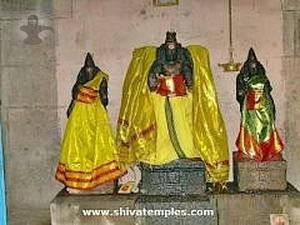
Arulsomanatheswarar temple, Tiruneedur
Location
Tiru-Needur
Deity
Arut-Soma-Natheswarar, Gaana Nirthana Shankarar
Female Deity
Veyuru Tholiyammai, Aalalasundara Nayaki
Pathikam
Tirunavukarasar - 1, Sundarar - 1
Gallery – Arutsomanatheswarar Temple, Tiruneedur
How to Reach
iruneedur is located about 4.8 kilometres from Mayiladuthurai. Regular bus services are available from Mayiladuthurai to Needur.
Temple Address
Tiruneedur
Needur Post
Mayiladuthurai Taluk
Mayiladuthurai District
PIN – 609203
Temple Hours
Morning : 7:00 - 12:30
Evening : 4:00 - 8:30
Nearby Paadal Petra Shiva Temples
Nearby Divya Desams
Temple Overview
Entrance & Sthala Vruksham
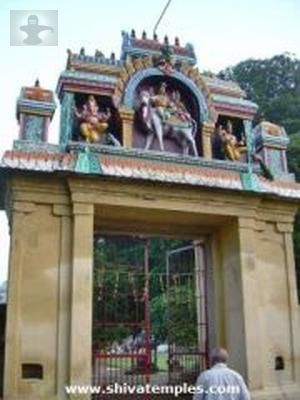
The ancient Shiva temple at Needur — a sacred place whose very name signifies its eternal existence even beyond the dissolution of the universe itself — stands as a profound testament to the timeless and indestructible nature of the Divine. The temple features a modest east-facing entrance, crowned with beautifully crafted and vividly colored stucco sculptures depicting Rishabharudar, Vinayaka, and Subramanya, lending an atmosphere of sanctity and traditional charm to the temple.
The sacred Magizha tree, revered as the temple's Sthala Vruksham, stands majestically near the entrance, welcoming devotees with its serene and auspicious presence as they step into the sacred precincts. Proceeding further into the temple complex, one is greeted by the sight of the sacred Nandi, seated in quiet reverence before the sanctum, accompanied by the Balipeetam and the Dwajasthambam.
Sannidhis in the Prakarams
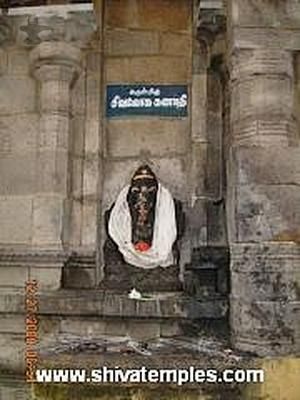
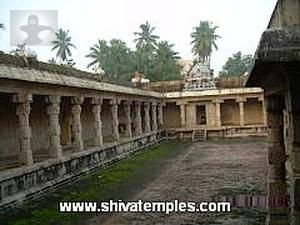
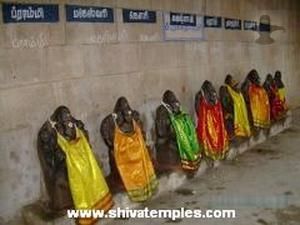
Enclosed within the temple's sacred walls are two prakarams, each lined with a number of subsidiary shrines that enrich the spiritual atmosphere of the temple. The inner prakaram houses several important sannidhis dedicated to Muruga, Shiva-Loka Nathar, Kailasa Nathar, Kasi Viswanathar, and Mahalakshmi, reflecting the temple's rich devotional heritage. One of the temple's distinctive features is the rare presence of three Ganapathy sannidhis situated close to one another within the inner prakaram. The divine forms of Chintamani Ganapathy, Selva Ganapathy, and Shivananda Ganapathy are enshrined side by side, bestowing their unique blessings upon devotees who worship them with devotion and reverence.
Presiding Deity & Goshta Murthas
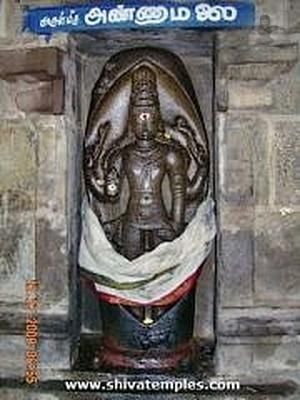
The Goshta Murthas enshrined along the walls surrounding the sanctum add further spiritual significance to the temple's sacred architecture. These divine manifestations include Dakshinamurthy, the supreme teacher of wisdom; Brahma, the creator; Annamalayar, the radiant form of Shiva associated with Arunachala; Chandikeshwarar, the devoted guardian of Shiva temples; and Goddess Durga, who stands as the embodiment of divine strength and protection.
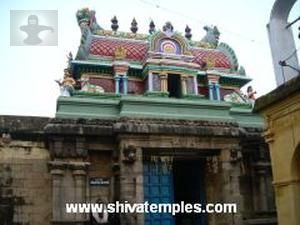
Passing through the second gateway, which is crowned by a graceful single-tiered gopuram, devotees are presented with the sacred sight of the east-facing sanctum of the presiding deity, Arul-Somanatheswarar, who manifests here as a self-formed Swayambhu Linga. A remarkable astronomical phenomenon associated with this temple takes place during the Tamil month of Avani (mid-August to mid-September), when the rays of the rising sun fall directly upon the deity within the sanctum.
The Sanaischarar Sannidhi
The sannidhi dedicated to the divine consort is situated in the outer prakaram, with its entrance facing south in accordance with traditional temple architecture. Directly opposite this sannidhi, within the same enclosure, stands an east-facing sannidhi for Sanaischarar. This rare and distinctive arrangement enables devotees to simultaneously behold both the Goddess and Shani from a single vantage point — a sacred darshan that is traditionally believed to relieve worshippers from the adverse effects of Sani dosha, the astrological afflictions associated with the planet Saturn. Adding to the uniqueness of the temple is the absence of a separate Navagraha sannidhi, making this exceptional configuration all the more spiritually significant.
Significance & Sthala Purana
Origin of the Linga & the Crab Legend
According to the temple's legend, the celestial king Indira fashioned this holy Linga out of sand and worshipped the deity with deep devotion. The deity was subsequently venerated by Surya, the sun god, and Chandra, the moon god, further enhancing the sanctity and divine eminence of the temple.
A remarkable feature of this Shiva Linga is the presence of a small hole upon it, associated with a fascinating Sthala Purana. It is believed that a demon, burdened by the consequences of his past karma, was reborn in the form of a crab. Seeking liberation from this karmic suffering, the crab approached Sage Naradha for guidance. The compassionate sage advised him to undertake a pilgrimage to Tiruneedur and worship the sacred Shiva Linga enshrined there with unwavering devotion. With steadfast devotion, the crab is said to have bathed daily in the sacred waters of the river Kaveri before offering worship to the Shiva Linga with deep sincerity and reverence. Pleased by the intensity of this humble creature's devotion, Shiva manifested before the crab and, in an extraordinary act of divine compassion, created an opening in the Linga itself. Through this sacred opening, the crab entered the Linga and merged with the boundless divine consciousness of Shiva, thereby attaining liberation from the endless cycle of birth and rebirth. Even today, devotees visiting Tiruneedur can witness the hole present in the Shiva Linga, revered as a living testimony to this profound legend of devotion, grace, and spiritual emancipation.
Pathikam
There are 2 pathikam composed for this temple — by Tirunaavukkarasar and Sundarar. Tirunaavukkarasar's Pathikam in the 6th Tirumurai is common to both Tirupunkur and Tiruneedur.
More Photos – Arutsomanatheswarar Temple, Tiruneedur