KalyanaSundarar temple, Tiruvelvikudi
Location
Tiru-Velvi-Kudi
Deity
Kalyana-Sundareswarar
Female Deity
Parimala-Sugandha-Nayaki
Pathikam
Sambandar - 1, Sundarar - 1
Gallery – KalyanaSundarar Temple, Tiruvelvikudi


How to Reach
This Shiva temple is situated about 3 kms from Kutthalam, located on the Mayiladuthurai–Kumbakonam road. Regular bus facilities are available from Mayiladuthurai to Tiruvelvikkudi. Devotees can conveniently visit four 'Paadal Petra' temples — TiruThuruthi, Tiruvelvikkudi, Tiruedhirkolpadi, and Tirumananjeri — within half a day by hiring a private vehicle.
Temple Address
Tiruvelvikudi
Kuththalam Post
Kuththalam
Mayiladuthurai Taluk
Mayiladuthurai District
PIN – 609801
Temple Hours
Morning : 7:00 - 11:00
Evening : 4:00 - 7:00
Contact
04364 235462
Nearby Paadal Petra Shiva Temples
Temple Overview
Architecture & Layout
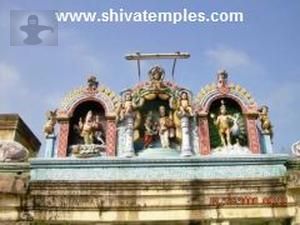
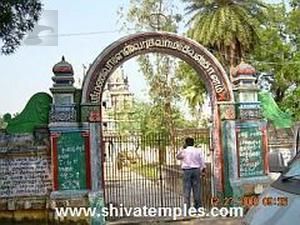
The temple complex is adorned with an impressive three-tiered Rajagopuram that serves as its majestic main entrance. Enclosed within the temple are two prakarams, or concentric corridors, which devotees traditionally circumambulate in a clockwise direction as part of their worship.
Mandaps & Goshta Murthas
Situated in front of the main sanctum are the Artha Mandapam and the Maha Mandapam. The Artha Mandapam functions as an intermediate hall leading to the sanctum sanctorum, while the Maha Mandapam is a spacious pillared hall where devotees gather for worship and religious ceremonies. The temple also houses several Goshta Moorthis, including Dakshinamurthy, Lingothbhavar, Ardhanareeswarar, and Chandrasekarar. Among them, the idol of Ardhanareeswarar beautifully depicts the unified form of Shiva and Parvathi in a single manifestation.
Presiding Deity & Sannidhis
he Artha Mandapam of this Shiva temple enshrines the idols of Vinayaka and Nataraja. The presiding deity is worshipped as Kalyana Sundareshwarar, while Goddess Parimala Sugandha Nayaki is revered as the divine consort. This sacred temple is especially significant as it is believed to be the place where Sage Agasthya was relieved of the curse he incurred after slaying Vathapi. Commemorating this sacred event, a separate sannidhi dedicated to Sage Agasthya is located within the Artha Mandapam. The shrine of Goddess Parimala Sugandha Nayaki is situated in the first prakaram and faces south.
Sacred Theertham & Significance
Kauthuka Bandhana Theertham, the sacred temple tank, is located opposite the entrance gateway of the temple. This temple is regarded as an important parihara sthalam for those facing delays or obstacles in marriage. Devotees visit this sacred site, take a ritual bath in the Kauthuka Bandhana Theertham, and offer prayers to the presiding deity with the belief that such worship helps remove hindrances to marriage and blesses them with an early wedding.
Inscriptions
Bearing testimony to the temple’s rich antiquity, several ancient stone inscriptions can be found within the temple complex. These inscriptions date back to the reigns of prominent Chola rulers and patrons, including Sembian Madevi, Raja Raja Chola, and Parakrama Chola, and provide valuable historical insights into the temple’s legacy, patronage, and enduring spiritual significance through the centuries.
Significance & Sthala Purana
Uma Devi – The Curse & Redemption
According to the Sthala Purana, Goddess Uma Devi, the divine consort of Shiva, once became inattentive in her devotion towards Him. Displeased by this lapse, Shiva cursed her to be born on earth in the form of a cow. Filled with remorse, Uma Devi prayed for relief from the curse, upon which Shiva assured her that He would eventually reunite with and wed her once again, restoring her divine status. Accompanying Uma Devi in her earthly existence, Goddess Lakshmi, Saraswati, and Indrani also assumed the forms of cows and wandered together upon the earth. MahaVishnu, fulfilling his role as the divine protector, took on the duty of tending and caring for them as their herdsman. During this period, Uma Devi, in the form of a cow, worshipped Shiva by pouring her milk over the Shiva Lingam. Pleased and pacified by her sincere devotion and penance, Shiva relieved her of the curse and restored her to her original divine form.
The Sacred Velvi – Origin of the Name
After regaining her divine form, Goddess Umadevi observed a sacred vow by fasting and worshipping a Shiva Lingam made of sand for sixteen consecutive Mondays. On the seventeenth Monday, Shiva manifested before her and solemnized their divine marriage. It is believed that all the important pre-marital rituals, including Kankana Dharanam and other ceremonies associated with Vedic yagnas and sacred fire rituals, were conducted at this site of Tiruvelvikudi. According to the Sthala Purana, Brahma himself presided over these auspicious ceremonies. Owing to the performance of these sacred Velvi (yagnas or sacrificial rituals), the place came to be known as Tiruvelvikudi, meaning “the sacred place where the yagna was performed.”
The Prince & His Wedding
According to the Sthala Purana, a prince was once engaged to be married, but before the wedding could take place, the bride’s parents unexpectedly passed away. Following this tragedy, the bride’s relatives decided to stop the marriage arrangements altogether. Although the prince earnestly appealed to them to proceed with the wedding as originally planned, they firmly refused. Deeply distressed, the prince came to this sacred temple and prayed fervently to the presiding deity for divine intervention. Moved by his sincere devotion and unwavering love, Shiva sent one of His ghanas to bring the bride to the temple. Shiva Himself then presided over and solemnized the marriage, blessing the couple and uniting them in holy matrimony despite all obstacles.
Gallery – Deities & Interior