Kadaimudinathar temple, Tirukkadaimudi
Location
Tiru-Kadaimudi (Keezhaiyur near Mayiladuthurai)
Deity
Kadai-Mudi-Nathar
Female Deity
Abhirami
Pathikam
Sambandar - 1
Gallery – Kadaimudinathar Temple, Tiru-Kadaimudi
How to Reach
This Shiva temple is located at Keezhaiyur on the Mayiladuthurai–Poompuhar route. It is situated about 2 km from the Keezhaiyur bus stop. Another route to reach Keezhaiyur is via Sirkazhi. From Sirkazhi, take the road towards Poompuhar, and then proceed onwards from Poompuhar towards Mayiladuthurai to reach the temple.
Temple Address
Keezhaiyur
Keezhaiyur Post
Tarangambadi Taluk
Mayiladuthurai District
PIN – 609304
Temple Hours
Morning : 6:00 - 12:00
Evening : 4:00 - 8:00
Contact
04364 283360, 04364 283261, 94427 79580
Nearby Paadal Petra Shiva Temples
Temple Overview
Entrance & Orientation
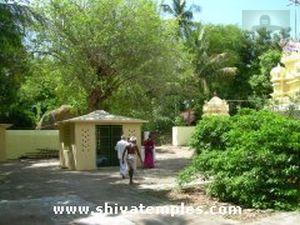
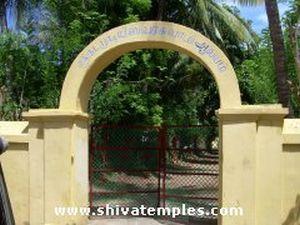
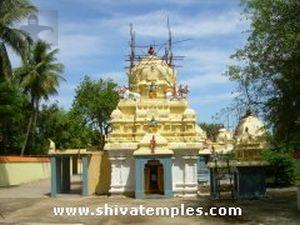
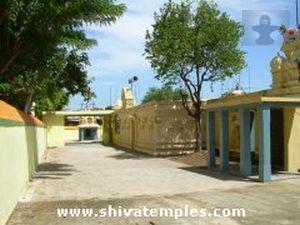
This Shiva temple does not have the usual towering gopuram at its entrance and instead features a more modest and understated façade. Notably, it is one of the rare temples in Tamil Nadu that faces west, a direction that is uncommon for temple orientation. Another significant feature of this place is that the River Kaveri changes its course towards the west at this location.
Sanctum & Linga
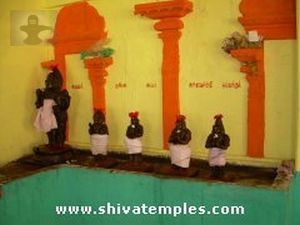
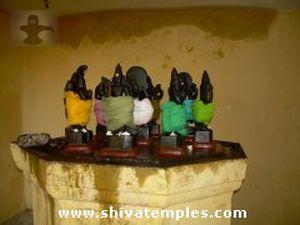
Inside the temple, the presiding deity is enshrined as a Swayambhu Lingam, which is identified as a Shodasha Lingam, adding special spiritual significance to the shrine. The Navagrahas (nine planetary deities) are placed on an octagonal pedestal, reflecting a unique and distinctive geometric arrangement.
Sannidhis & Sculptures
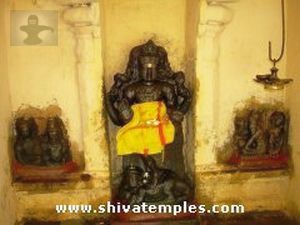
he sculptures of Dakshinamurthy and Bhairavar are depicted wearing earrings in their left ears. The temple complex also includes separate shrines (sannidhis) for Vinayaka and Subramanya. The consort of the main deity, known as Abhirami, is enshrined in a south-facing sanctum. Devotees, especially young unmarried women, come here to worship Goddess Abhirami and offer a sacred thread known as tirumangalyam as a mark of devotion. By offering this auspicious thread, they seek her blessings to remove obstacles or delays in marriage and to be blessed with a timely and happy marital life.
Significance & Sthala Purana
Brahma's Devotion & the Kilivai Mango Tree
Recognising the sanctity of this place, Brahma, the creator, is believed to have built a temple here and worshipped the presiding deity with great devotion. He is also said to have created a sacred waterbody in his own name and used its holy waters to perform abhishekam to the deity. This beautiful and sacred tank, known as Brahma Theertham, is located opposite the temple.
Pleased with Brahma’s sincere devotion and piety, Shiva is believed to have manifested Himself beneath a sacred Kilivai hill mango tree, botanically identified as Commiphora caudata, located within the temple’s prakaram (outer precincts). Under the expansive canopy of this mango tree lies the sannidhi of Kiluvai Nathar, which enshrines the primordial murthy (idol) of the temple.
Kanva Maharishi & the Sacred Bathing Ghat
The temple’s spiritual significance attracted not only Brahma but also the great sage Kanva Maharishi. The revered sage is believed to have worshipped the presiding deity with deep devotion and performed intense austerities, thereby greatly increasing his Punniya Palan (spiritual merit and blessings). The sacred spot where Kanva Maharishi is said to have bathed in the holy River Kaveri before offering his worship to the deity is still remembered and revered as Kanva Mahaan Thurai.
Gallery – Deities & Sannidhis