Kannayiranathar temple, Tirukannarkovil
Location
Tiru-Kannarkovil (Kurumaanakkudi)
Deity
Kann-Ayira-Nathar
Female Deity
Kothai Nayaki, Sugandha Kundalambikai
Pathikam
Sambandar - 1
Gallery – Kannayiranathar Temple, Tirukannarkovil
How to Reach
Kurumanakkudi (Tirukannarkovil) is located about 5 km from Vaitheeswaran Koil. On the Vaitheeswarankoil–Mayiladuthurai route, a signboard indicates a branch road leading to Bhaagasalai. Follow this road to reach Tirukannarkoil.
Temple Address
Tirukannarkoil
Kondattur Post
Kurumaanakkudi
Tarangambadi Taluk
Mayiladuthurai District
PIN – 609117
Temple Hours
Morning : 6:00 - 1:00
Evening : 3:00 - 7:00
Nearby Paadal Petra Shiva Temples
Temple Overview
Entrance & Layout
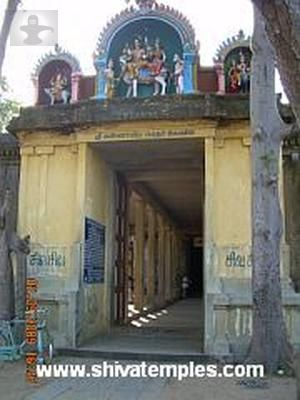
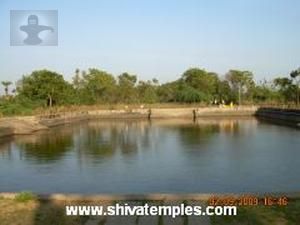
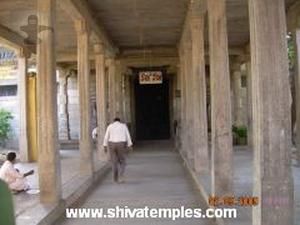
This east-facing Shiva temple features a modest entrance without the customary gopuram seen in many such temples. The temple has two prakarams, while Indra Theertham, its sacred tank, is located outside the complex. Along the banks of this theertham are two sannidhis dedicated to Vinayaka and Muruga. The entrance is adorned with colorful representations of Rishabaruda, Vinayaka, and Subramania with Valli and Deivayanai, leading into a spacious pillared corridor.
Prakarams & Inner Sannidhis
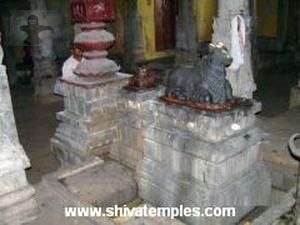
The outer prakaram does not house any sannidhis, and its gateway leads into the inner prakaram, where the Nandi, balipeetam, and dwajasthambam are situated. Within the inner mandapam, near the Goshta Dakshinamurthy, is the sannidhi of Siddhi Vinayaka. Another Vinayaka shrine, known as Kanni Vinayaka, is located beside the primary four Nayanmars in the inner prakaram. The sannidhi of Gajalakshmi stands in place of the usual Arumukha shrine, while the opposite mandapam houses Subramaniya, followed by the shrines of Bhairavar, Sani, and Chandra.
Ambal Sannidhi & Zodiac Carvings
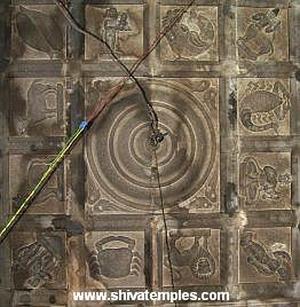
Within the inner mandapam, on the right side, is the Palli-Arai, the resting chamber of the deities. Adjacent to it is the south-facing sannidhi of the Goddess, depicted in a standing posture. Above the Ambal sannidhi, the upper section of the hall is adorned with intricately carved representations of the twelve zodiac signs, adding to the temple’s artistic beauty and spiritual significance.
Presiding Deity & Sacred Idols
Kannayiranathar – The Swayambhu Linga
The presiding deity of this temple, Kannayiranathar, is enshrined as a naturally manifested swayambhu linga with a distinctly elongated baana. The surface of the sacred linga bears numerous eye-like indentations, a remarkable feature that justifies the deity’s name, meaning “the one with a thousand eyes.”
Urchava Idols & Goshta Murthas
In the hall preceding the sanctum, one can behold the finely crafted idol of Chandrashekarar along with the Nataraja Sabha. The temple also preserves a collection of urchava idols—processional deities taken out during festivals—including Pradosha Nayaka, Asthradeva, Valli, Deivanai, Subramanya, Somaskanda, and Vinayaka. The Goshta Murthas featured in the temple are Narthana Vinayaka, Dakshinamurthy, Lingothbhava, Brahma, and Goddess Durga.
Sthala Purana
Indira's Curse & Redemption
According to legend, Indra, the king of the celestial beings, became infatuated with Ahalya, the wife of the revered sage Gautama. Consumed by desire, he assumed the form of the sage and approached her. Though aware of the deception, Ahalya consented. When Sage Gautama discovered what had transpired, he pronounced a severe curse upon Indra, marking his body with the stigma of his wrongdoing. He also cursed Ahalya, turning her into a lifeless stone as a consequence of her actions.
Realizing the gravity of her actions, Ahalya sought forgiveness and pleaded for redemption. Sage Gautama, moved by compassion, declared that she would be restored to her human form when the feet of Rama touched the stone. Meanwhile, Indra, seeking relief from his curse, approached Brahma for guidance. Brahma directed him to the sacred site of Kurumanakkudi, instructing him to bathe in the holy theertham and worship the presiding deity there.
Vamana & the Name Kuru-Maana-Kudi
The sacred site of Kurumanakkudi gained further significance when Lord Mahavishnu, in his incarnation as Vamana, worshipped the presiding deity here, leading to the origin of the name “Kuru-maana-kudi.”
Gallery – Kannayiranathar Temple, Tirukannarkovil