Neelivaneswarar Temple, Tiruppainjeeli
Location
Tiru-Painjeeli
Deity
Neelivaneswarar, Neelakanteswarar
Female Deity
Visalakshi
Pathikam
Tirunavukkarasar - 1, Sambandar - 1, Sundarar - 1
Gallery – Gneelivaneswarar Temple, Tiruppainjili
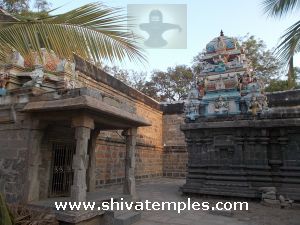
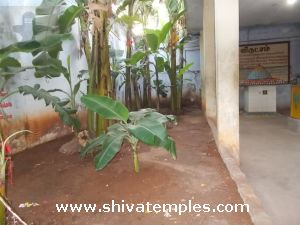
How to Reach
This sacred Shiva temple is located about 15 km from Tiruchirappalli (Trichy) and is well connected by regular bus services from the Chathiram Bus Stand in Trichy.. The renowned Vishnu temple Tiruvellarai, one of the 108 Divya Desams, is situated just 4 km from this temple.
Temple Address
Thiruppainjeeli
Thiruppainjeeli Post
Tiruchirappalli Taluk
Tiruchirappalli District
PIN – 621005
Temple Hours
Morning : 6:00 - 12:30
Evening : 4:00 - 8:00
Nearby Paadal Petra Shiva Temples
Nearby Divya Desams
Temple Description
Origin & Sthala Purana
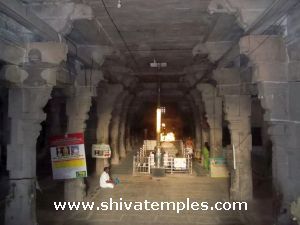
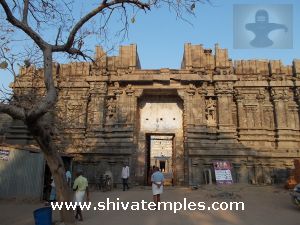
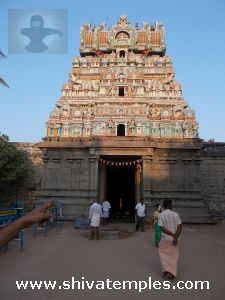
The presiding deity of this temple is known as Gneelivaneswarar, a name derived from Gneeli, a variety of banana tree. The place itself came to be known as Paingneeli, meaning “green banana,” reflecting the abundance of these trees in the region. As devotees approach the temple, they first encounter the entrance tower (gopuram). Passing through this gateway leads to a four-pillared mandapam. Beyond it stands the majestic second gateway tower, a three-tiered structure popularly known as Ravana Vayil. To the left of this entrance is the Chotrudai Ishwarar Sannidhi, which holds special significance in the temple’s history. According to the temple’s Sthala Purana, when Tirunavukkarasar (Appar) was journeying towards Thirupaingneeli, Shiva appeared before him in the guise of an Andanan (a Brahmin priest). The Lord compassionately offered him food, guided him to the temple, and then revealed His divine form as a Shiva Linga. This sacred manifestation is enshrined and worshipped today as Chotrudai Ishwarar. To commemorate this divine episode, a special festival is celebrated annually during the Tamil month of Chithirai when the star Avittam prevails. The festival reenacts and honours the Lord’s act of feeding and guiding Tirunavukkarasar to Thirupaingneeli, attracting numerous devotees who gather to witness and participate in the sacred observances.
Yama Sannidhi
One of the most distinctive features of this temple is the Yama Sannidhi, located in a rock-cut underground cave along the outer prakaram, just before the entrance through the Ravana Vayil. This rare subterranean sannidhi houses Soma Skanda Murti, with Muruga seated between his divine parents, Shiva and Parvati. At the feet of Shiva is a unique depiction of Yama Dharma Raja in the form of a child. This sannidhi is closely associated with prayers for longevity and well-being. Similar to the traditions observed at Tirukadavur, important life-celebration rituals such as Shashtiabdapurti (60th birthday ceremony), Bheemaratha Shanthi, Sathabhishekam, and Ayul Vruddhi Homam are performed before this sanctum, with devotees seeking divine blessings for a long and healthy life. The sanctity is rooted in the famous legend of Markandeya. When Yama attempted to claim the life of the young devotee Markandeya, Shiva intervened and subdued the god of death to protect His ardent devotee. However, Yama’s absence disrupted the natural order of birth and death, causing great distress to Bhumi Devi and the celestial beings. Responding to their prayers, Shiva restored Yama to life at this place, manifesting him in the form of a child and entrusting him once again with the responsibility of governing the cycle of life and death according to dharma. This divine event is believed to have taken place here, making the Yama Sannidhi a revered centre for worship related to longevity, protection, and the harmonious balance of life.
Navagraha Worship
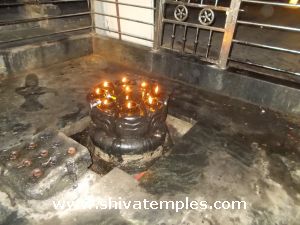
A distinctive aspect of the Tirupaingneeli Temple is the absence of a separate Navagraha Sannidhi, which is commonly found in most Hindu temples. According to temple tradition, this omission is due to the presence of the Yama Sannidhi, as Yama Dharma Raja is regarded as the presiding authority over Saneeshwara (Saturn), one of the nine planetary deities. Another unique feature of the temple is the pathway leading from Ravana Vayil to the sanctum. Devotees descend nine steps before reaching the inner layer, and these steps are believed to symbolically represent the Navagrahas. Temple lore associates them with the nine planetary deities who were once held captive by Ravana. In place of the conventional Navagraha sannidhi, devotees worship the nine planetary forces through a special ritual performed near the Nandi Mandapam. Beside Nandi, who faces the main sanctum, nine small lamps are arranged to represent the Navagrahas. Worshippers pour ghee or oil into these lamps, light them, and offer prayers, seeking relief from planetary afflictions and blessings for prosperity, health, and spiritual well-being.
Main Sanctum & Rathna Sabha
The Sanctum of the Tirupaingneeli Temple enshrines the self-manifested (Swayambhu) Shiva Linga of Gneelivaneswarar. Devotees can access the sanctum through two entrances known as the Ravana Vayil and Tirukarthikai Vayil, each possessing its own spiritual significance within the temple's architectural layout. The presiding deity is also revered as Athikara Vallabar, a title that signifies “the Bestower of Authority.” According to temple tradition, Shiva earned this appellation after compassionately reviving Yama Dharma Raja and restoring to him the divine responsibility of regulating the cycle of life and death. It is believed that Maha Vishnu, Kamadhenu (the celestial wish-fulfilling cow), Adhishesha (the divine serpent king), Vayu (the god of wind), Agni (the god of fire), Sri Rama, Arjuna, and Sage Vasishta all offered prayers and received blessings here. A remarkable feature within the sanctum complex is the Rathna Sabha (Hall of Gems), where Shiva is believed to have performed His Cosmic Dance (Ananda Tandava) in response to the earnest prayers of Sage Vasishta. Owing to this sacred association, the temple is also known as “Mela Chidambaram” (Upper Chidambaram), reflecting its spiritual connection to the famed Chidambaram Temple, where Nataraja eternally performs His cosmic dance.
Temple History & Legend
Visalakshi Sannidhis & the Gneeli Trees
A unique feature of the Tirupaingneeli Temple is the presence of two separate sannidhis for Goddess Visalakshi. According to temple tradition, Goddess Parvathi desired to undertake Shiva Yoga, a profound form of meditation aimed at attaining complete union with Shiva. She chose Tirupaingneeli as the ideal place for her penance and spiritual practice. As the area lacked sufficient trees to provide shade for her meditation, the Goddess transformed the Saptha Kannikas (Seven Celestial Maidens) who had accompanied her into magnificent Gneeli trees. These sacred trees are believed to have sheltered the Goddess during her penance and continue to be revered by devotees. The Gneeli trees are considered highly sacred, and worshipping them with faith is believed to fulfill heartfelt wishes, especially those related to marriage, family harmony, and domestic happiness. Devotees seeking suitable alliances or the removal of obstacles in marriage often perform special prayers beneath these trees and tie prayer offerings as an expression of their devotion. Special parihara (remedial) pujas dedicated to the sacred Gneeli trees are conducted regularly on Fridays and Sundays. The worship timings are generally observed from 8:30 a.m. to 12:30 p.m. in the morning and from 4:30 p.m. to 5:30 p.m. in the evening.
Legend of Tirunavukkarasar's Pilgrimage
One of the most cherished legends associated with Tirupaingneeli concerns the great Shaivite saint Tirunavukkarasar (Appar) and illustrates the boundless compassion that Shiva shows towards His devotees. During the 7th century CE, after worshipping at the temples of Tiruchirappalli, Tirukarkudi, and Tiruparaithurai, Tirunavukkarasar continued his pilgrimage towards Tirupaingneeli. The saint had travelled a great distance on foot and was exhausted from the hardships of the journey. Seeing the physical strain endured by His devoted servant, Shiva decided to come to his aid. By His divine grace, Shiva caused a cool pond and a shaded resting place to appear along the route to Tirupaingneeli. The deiy then assumed the guise of an Andhanan (a Brahmin) and waited there carrying parcels of food. Upon reaching the spot, the weary saint was warmly welcomed and offered food and water. Tirunavukkarasar gratefully accepted the meal, rested for a while, quenched his thirst, and regained his strength. After the saint had refreshed himself, he inquired where the kindly stranger was travelling. The Brahmin replied that he too was on his way to Tirupaingneeli. The two then continued their journey together, conversing as they walked towards the sacred town. However, when they reached the outskirts of Tirupaingneeli, the mysterious companion suddenly disappeared from sight. In that instant, Tirunavukkarasar realised that the Brahmin who had fed, comforted, and accompanied him was none other than Lord Shiva Himself. Overwhelmed by the Deity's compassion and grace, the saint offered heartfelt prayers and proceeded to worship at the temple.
Gallery – Gneelivaneswarar Temple, Tiruppainjili