Brahmapureeswarar Temple, Sirkazhi
Location
Sirkazhi
Deity
Brahmapureesar, Sattainathar, Thoniyappar
Female Deity
Tiru-Nilai-Nayaki, Sthira Sundari
Pathikam
Sambandar - 67 (Sambandar's birthplace), Tirunaavukarasar - 3, Sundarar - 1
Gallery – Brahmapureeswarar Temple, Sirkazhi
How to Reach
The shiva temple is at the heart of the Municipal town Sirkazhi, 260 kms from Chennai by road. From Chidambaram it is 17 kms and from Kumbakonam it is 58 kms.
Temple Address
Sattai Natha Swamy Devasthanam
Sirkazhi
Mayiladuthurai District
PIN – 609110
Temple Hours
Morning : 6:00 - 12:00
Evening : 4:00 - 9:00
Nearby Paadal Petra Shiva Temples
Nearby Divya Desams
Temple Layout
Entrance & Gopurams
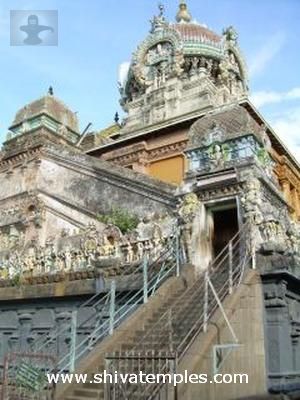
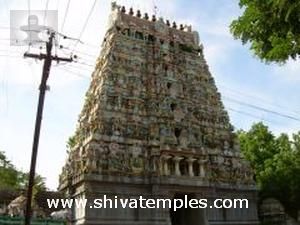
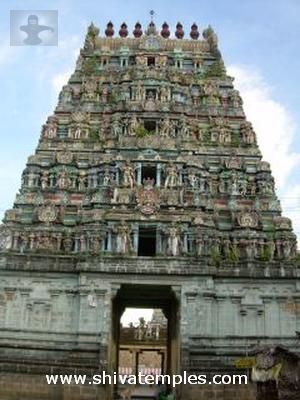
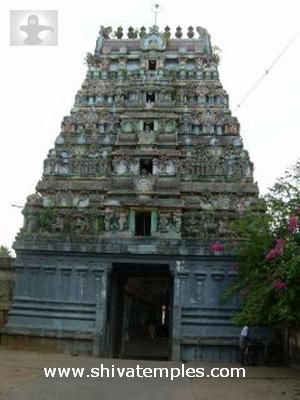
This magnificent Shiva temple, located at the heart of the town of Sirkazhi, stands as a striking example of grand temple architecture. The complex is designed with four entrances, each marked by a towering gopuram adorned with intricate carvings that rise prominently above the surroundings. Among these, the eastern gateway serves as the principal entrance, welcoming devotees into the temple.
Presiding Deities & Sannidhis
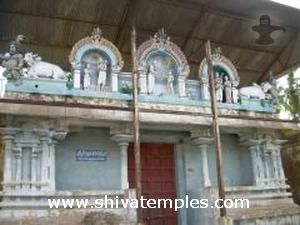
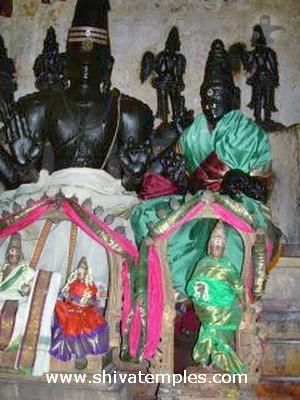
Upon entering through the eastern gateway and proceeding inward, the first sannidhi that comes into view is that of Brahmapureeswarar, facing east and located near the temple’s sacred tank. To the right of this sannidhi stands the utsava idol of the child-saint Gyanasambandhar, depicted holding a small bowl—a symbolic representation of the divine milk of wisdom bestowed upon him by the Goddess.
Proceeding further into the temple complex, one reaches the northern section, where the sannidhi of Goddess Thiru-Nilai-Nayaki is situated, facing the Brahma Theertham. It is on the banks of this sacred tank that Gyanasambandhar is believed to have received the “Gyana-Paal” from Goddess Parvathy. The sannidhi, dedicated to Thoniappar along with his consort Periya-Nayaki, is located at a higher level within the temple complex. (above the sannidhi of Brahmapureeswarar)
Sattai-Nathar Sannidhi
From the Thoniappar sannidhi, a narrow set of wooden stairs leads devotees to an upper level, where the south-facing sannidhi of Sattai-Nathar is located. The temple is also known by this name. Certain traditional practices are observed by visitors: men are required to remove their shirts before ascending the stairs, and women are expected to remove any flowers from their hair prior to proceeding to the Sattai-Nathar sannidhi.
Ashta Bhairavar & Other Shrines
The ancient temple at Sirkazhi has been revered by several deities, including Brahma, Muruga, Kali, Guru (the planetary deity associated with Jupiter), Indra, Chandra, and Surya. The revered sage Vyasa, the author of the Mahabharata, is also believed to have worshipped here. The temple is further known for the presence of the Ashta Bhairavar, whose sannidhi is located to the left of the southern gateway. This sannidhi is open to devotees for a limited duration on Friday evenings, typically from 4:30 pm to 8:30 pm.
Brahma Theertham & Thiru-Nilai-Nayaki
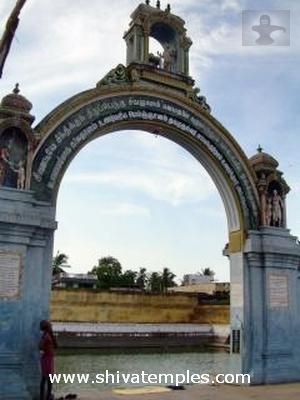
Sirkazhi is also regarded as one of the 64 Shakthi Peetams, sacred sites associated with the divine feminine energy of the Goddess. The walls surrounding the sanctum of Tiru-Nilai-Nayaki are adorned with sculptural representations of the goshta murthas, including Sri Shyamala Devi, along with personifications of Ichcha Shakthi (divine will), Gyana Shakthi (divine wisdom), and Kriya Shakthi (divine action). Directly opposite this sannidhi lies the Brahma Theertham, a sacred tank approached through an ornate archway. The sides of this entrance are beautifully decorated with scenes depicting the life of Gyanasambandhar.
Sthala Purana
The Great Deluge & Thoniyappar
According to legend, during the great deluge known as the pralaya, when rising waters threatened to engulf the entire world, Shiva embodied all the 64 art forms and transformed the sacred Pranava mantra into a resilient boat. Accompanied by his consort Umadevi, he set forth across the turbulent floodwaters. In the course of this journey, they arrived at Sirkazhi, the only place believed to have remained untouched by the destruction that affected the rest of the world. Recognizing it as the primordial site of creation, Shiva chose to remain there with Umadevi. In this form, he came to be worshipped as Thoniyappar, meaning the “Lord of the Boat.” It is also believed that Brahma worshipped Shiva here before recommencing the act of creation after the deluge, which is why the deity is also revered as Brahmapureeswarar.
Tirugnana Sambandar & the Divine Milk
Sirkazhi holds a distinguished place in history as the birthplace of the revered Shaivite saint and poet, Tirugnana Sambandar. Born to devout Shaivite Brahmin parents, Shivapada Hrudiyar and Bhagavathiar, he exhibited a deep spiritual inclination from a very young age. At the age of three, when he accompanied his parents to the temple at Sirkazhi, a remarkable event is believed to have taken place. On the banks of the sacred Brahma Theertham, the child was blessed with the divine vision of Shiva and Parvati, and received the nectar of wisdom from the Goddess herself—an experience that profoundly shaped his life and enduring spiritual legacy.
Traditional accounts describe how Sambandar’s father, Shivapada Hrudiyar, noticed drops of milk on the child’s lips and questioned him about who had fed him. In response, the young Sambandar pointed toward the sky and sang his first Tevaram hymn, beginning with the celebrated verse “Todudaya Seviyan,” thus marking the start of his remarkable spiritual and poetic journey. Over the course of his life, Sambandar is believed to have composed around 16,000 Pathikams in praise of Shiva, of which 384, comprising 4,181 stanzas, have been preserved. Among these, 67 Pathikams are dedicated specifically to the temple at Sirkazhi.
A Temple of Superlatives
Among all the revered Paadal Petra Sthalams, Sirkazhi holds the distinguished honor of having received the highest number of sacred hymns composed in its praise. The ancient temple has been worshipped by several deities, including Brahma, Muruga, Kali, Guru (the planetary deity associated with Jupiter), Indra, Chandra, and Surya. It is also believed that the sage Vyasa, the author of the Mahabharata, visited this temple to offer his worship.
Gallery – Brahmapureeswarar Temple, Sirkazhi