Thaalapureeswarar temple, Tiru-Kolakka
Location
Tiru-Kolakka
Deity
Thaalapureeswarar, Shabtha-Pureeswarar
Female Deity
Dwaniprathambal, Osaikodutha Nayaki
Pathikam
Sambandar - 1, Sundarar - 1
Gallery – Thaalapureeswarar Temple, Tirukolakka
How to Reach
This shiva temple is located in Sirkazhi and is about 2 Kms from Sirkazhi bus stand.
Temple Address
Tirukolakka
Sirhazhi Post
Sirhazhi
Sirhazhi Taluk
Mayiladuthurai District
PIN – 609110
Temple Hours
Morning : 7:00 - 11:30
Evening : 4:30 - 8:00
Nearby Paadal Petra Shiva Temples
Nearby Divya Desams
Temple Layout
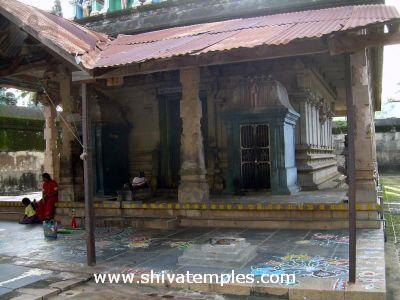
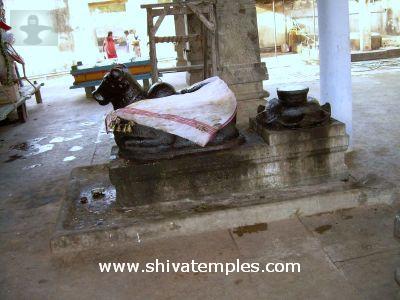
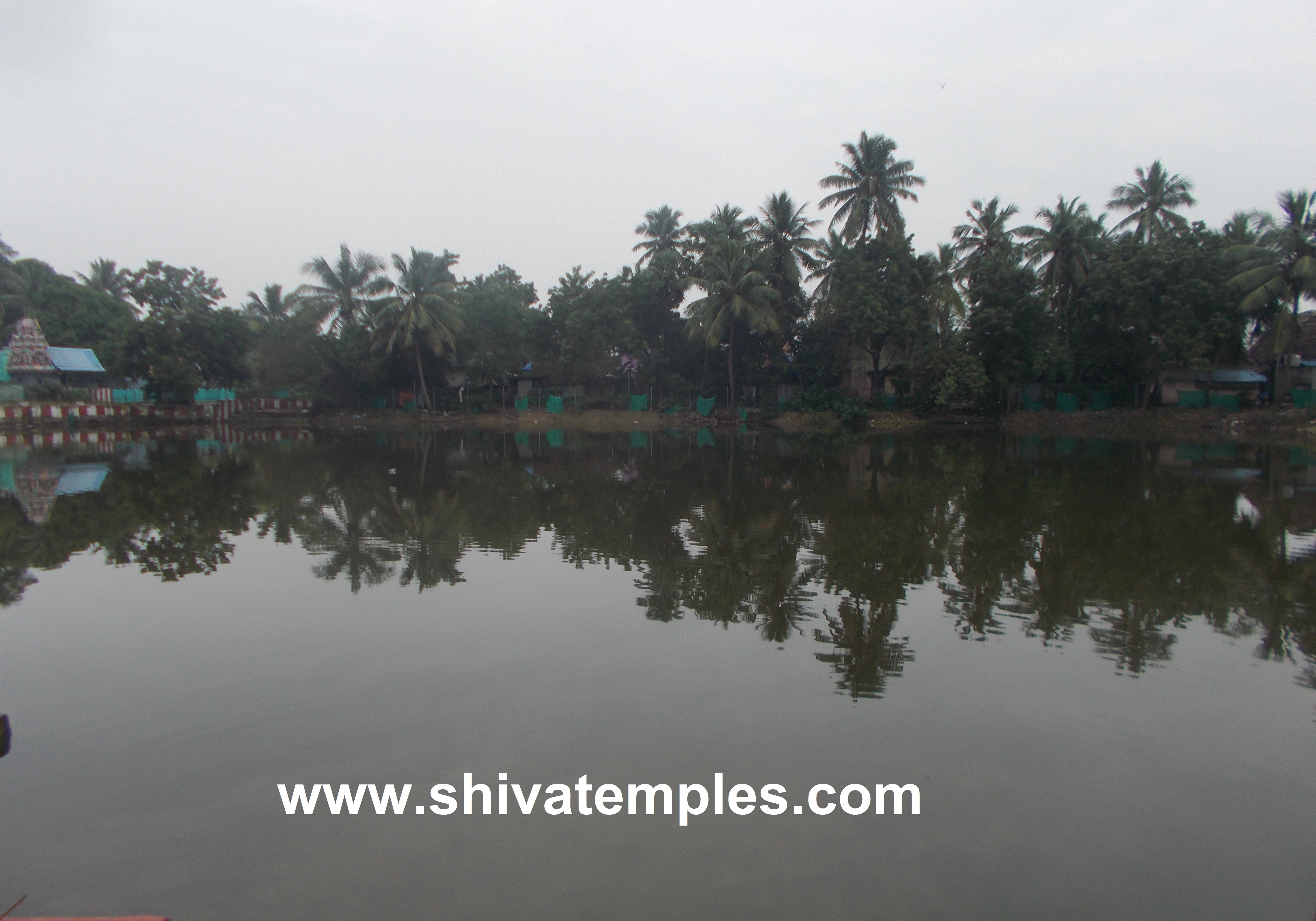
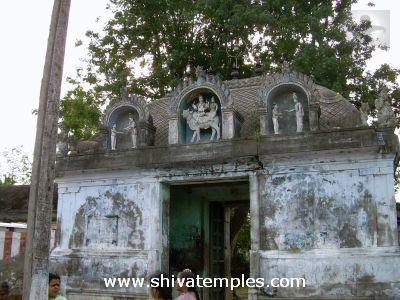
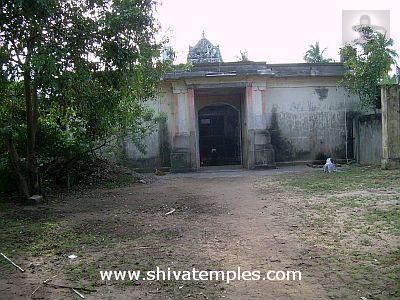
Situated in Tirukolakka, this Shiva temple—better known as Thalamudayar Temple—features a simple entrance, devoid of the towering gopuram commonly associated with South Indian temples. Directly opposite this entrance lies the associated pond, Ananda Theertham. The entrance leads into an open courtyard, followed by another gateway that reveals the Nandi and the balipeetam, aligned in the traditional axis facing the sanctum.
Main Sanctum & Goshta Murthas
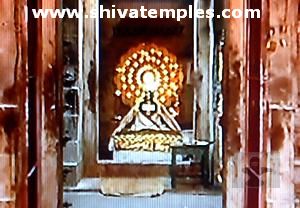
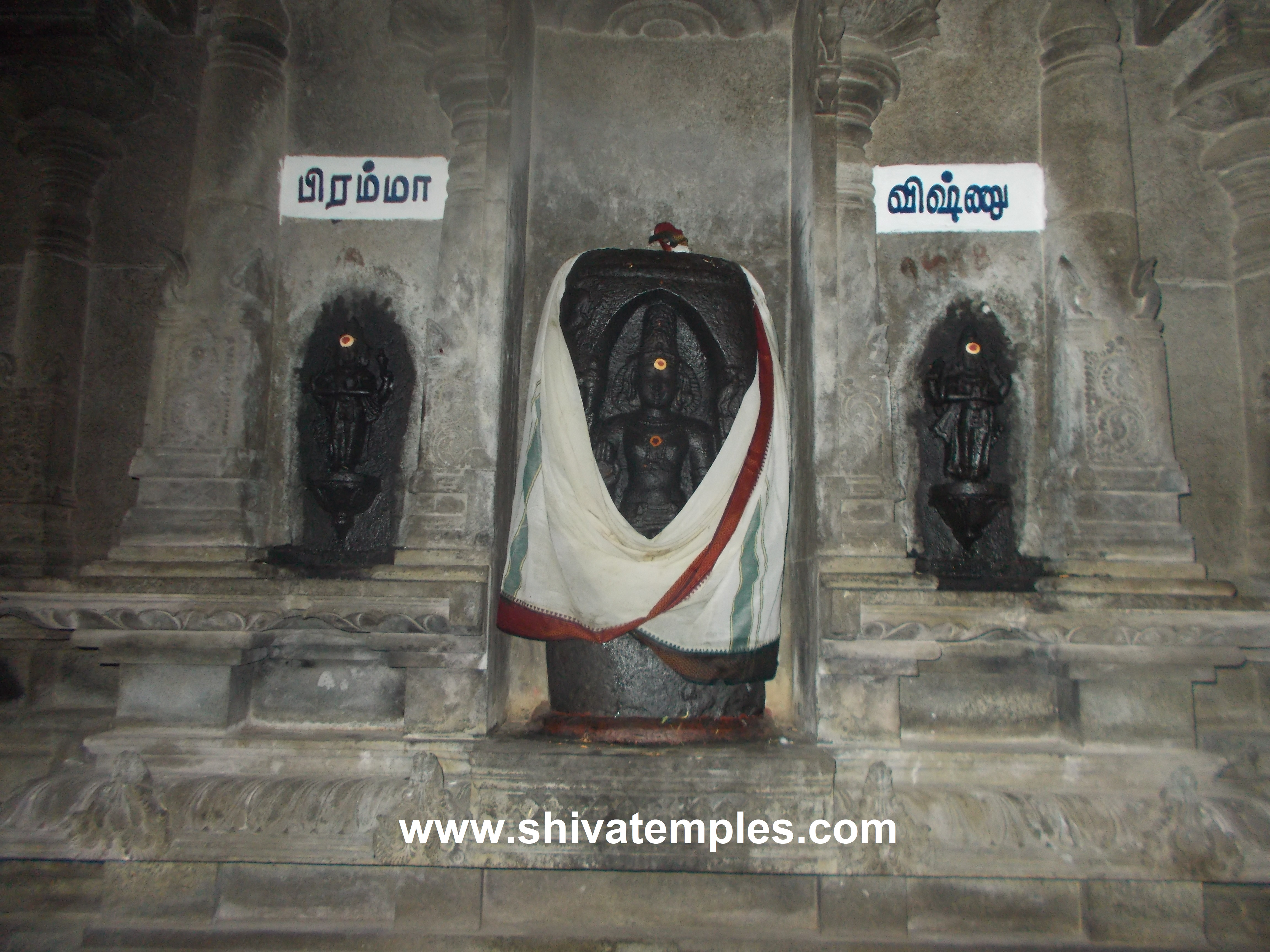
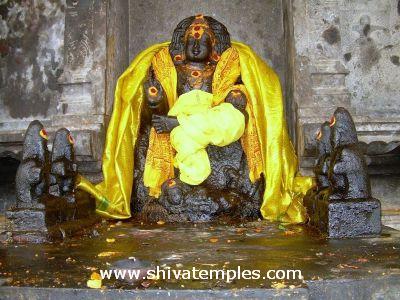
At the heart of the temple resides the presiding deity, Thalapureeswarar, who is revered for blessing the saint-poet Tirugyana Sambandhar with divine rhythmic musical plates. The deity is also believed to have been worshipped by the celestial king Indira and the sun-god Surya. The temple’s Goshta Murtha deities adorning the outer walls of the sanctum include Vinayaka, Dakshinamurthy, Lingothbhavar, Brahma, and Goddess Durga.
Circumambulatory Path & Sannidhis
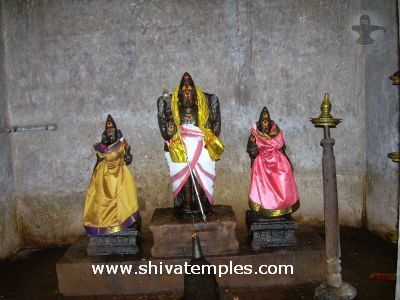
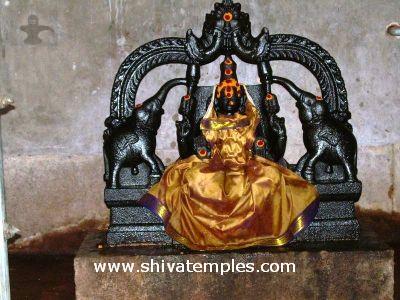
The circumambulatory path behind the sanctum houses a sannidhi of Muruga accompanied by his two consorts, along with a separate sannidhi for Sri Mahalakshmi. It is at this site of Tirukolakka that Mahalakshmi—revered here as Thiru-Magall—is believed to have performed penance to Shiva, and was subsequently united in divine marriage with Mahavishnu. This auspicious legend is said to have given the place its name, “Tirukolakka,” signifying the site of Mahalakshmi’s celestial wedding.
The sannidhi of Dhwani-Prathambal is situated to the left of the presiding deity’s sanctum and can be accessed through a gateway located in the northern outer prakaram.
The Dumb Boy – A Miracle
In a period following the era of Sambandhar, a devoted mother arrived at this temple and prayed earnestly for her son to regain his speech. Her heartfelt prayers were answered, and the mute boy was blessed with the ability to speak once again. Overwhelmed with joy and deep gratitude, the mother offered a golden plate to the deity Thalapureeswarar in thanksgiving—a sacred offering that is preserved in the temple to this day. The pathikam composed by Tirugyanasambandhar is in the First Tirumurai. Pathigams: Sambandar – 1, Sundarar – 1.
Sthala Purana
Sambandhar & the Golden Plates
At the tender age of just three, it was from Tirukolakka that Tirugyana Sambandhar began his remarkable spiritual odyssey, setting forth to visit the sacred Shiva temples that adorned the land. Having been blessed with the divine “milk of wisdom” by Goddess Parvathy herself, he was endowed with the extraordinary ability to spontaneously compose and sing devotional pathikam hymns—extolling God Shiva with a depth of devotion and poetic brilliance far beyond his years.
Upon arriving at the temple in Tirukolakka, the young Sambandhar began to sing his soulful hymns, keeping rhythm with the gentle clapping of his tiny hands. However, the continuous motion soon caused his delicate palms to grow sore and weary. Moved by the child’s devotion and discomfort, the presiding deity of Tirukolakka bestowed upon him a divine gift—two golden plates inscribed with the sacred “NamaShivaya” mantra, enabling him to continue his musical praise without pain.
These divine plates served as rhythmic instruments for Tirugyana Sambandhar, allowing him to keep time effortlessly while relieving the strain on his tender hands. With their use, his devotional hymns flowed with perfect cadence and grace. It is believed that Devi Parvathy herself infused these golden plates with a celestial resonance, transforming his musical offerings into expressions of sublime, transcendent beauty.
Gallery – Thaalapureeswarar Temple, Tirukolakka