Virundhitta Eeswarar temple, Tirukachchur Alakkovil
Location
Tiru-Kachchur Ala-kovil
Deity
Virunditta Eswarar, Marundeeswarar, Kachchapeshwarar
Female Deity
Anjanakshi, Kanni Umayal
Pathikam
Sundarar - 1
Gallery - Tirukachchur Alakkovil Temple


How to Reach
The shiva temple is about 2 km from Singaperumal Koil Railway Station on the Chennai Egmore–Chengalpattu railway line. From Singaperumal Koil on the Chennai–Chengalpattu National Highway, take the road towards Sriperumbudur. After crossing the railway gate, travel a short distance further to reach Tirukkachchur village. The temple is located at the center of the village.
Temple Address
Thirukachur Post
Via Singaperumal Koil
Chengalpattu Taluk
Kanchipuram District
PIN – 603204
Temple Hours
Morning : 8:00 - 11:30
Evening : 5:30 - 8:30
Nearby Paadal Petra Shiva Temples
Sthala Puranam
Origin of the Name Tiru-Kachchur
According to legend, the quest for Amruta, the nectar of immortality, was undertaken jointly by the devas and asuras, who churned the ocean of milk, known as Parkadal. For this monumental task, Mount Mandara was used as the churning rod and the serpent Vasuki served as the churning rope. However, during the process, Mount Mandara began to sink under its own weight. To resolve this problem, Mahavishnu assumed the form of a turtle, known as Kurma, and supported the mountain on his back so that the churning could continue. According to the temple’s Sthala Purana, Mahavishnu prayed to the presiding deity of this temple to gain the strength required to uphold the mountain. Because of this association with Mahavishnu’s turtle incarnation, the place came to be known as Tirukachchur, derived from Kachchapa, the Sanskrit word for turtle. The temple is therefore also referred to as Aadikachchapesam. The Sthala Purana further states that devotees who worship Kachchapeshwarar during the auspicious time of Pradosham, after bathing in the sacred waters of Koorma Theertham, will be blessed with wisdom, prosperity, and peace of mind.
Sundarar and the Divine Feast
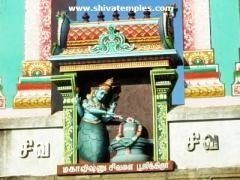
Tirukachchur is revered as the sacred place where God Shiva personally provided food to the great devotee Sundarar. When Sundarar arrived at Tirukachchur, he first visited the temple and worshipped Kachchapeshwarar. Exhausted and extremely hungry after his long journey, he lay down in the temple mandap to rest. Moved by compassion, Shiva appeared before him in the guise of a Brahmin. He gently woke Sundarar and asked him to sit down. Placing a banana leaf before him, the Brahmin served various kinds of rice and water. Sundarar was told that the food had been collected as alms from different houses in the village. Deeply touched by the kindness of the Brahmin who had gone begging on his behalf to feed him, Sundarar went to the nearby pond to wash his hands after the meal. However, when he returned, the Brahmin had disappeared. Sundarar then realized that the compassionate stranger who had fed him was none other than God Shiva himself. Because of this divine act of hospitality, the deity at this place is affectionately known as Virundu Itta Eeshwarar, meaning “the Lord who offered a feast.”
Sacred Tree – The Banyan
The sacred tree (Sthala Vriksham) of this temple is the Banyan tree, which is associated with the star constellation Magha. It is therefore believed to be especially beneficial for devotees born under the Magha star to worship the presiding deity of this temple.
Temple Layout
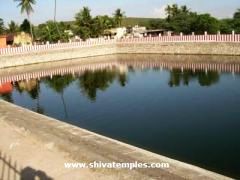
The Shiva temple at Tirukachchur, dedicated to Kachchabeshwarar, is also known as Alakoil. It is commonly referred to as Thyagarajaswamy Tirukoil and is one of the Paadal Petra Shivasthalams in Thondai Naadu, featuring a separate sannidhi for Thyagarajaswamy. Unlike many other Shiva temples that have towering gopurams, this east-facing temple does not have a rajagopuram. Nearby is Kurma Theertham, a large sacred pond believed to have been created by Mahavishnu during his Kurma (turtle) incarnation. Close to this pond stands a 16-pillared mandap with beautifully sculpted pillars. It is believed that the poet-saint Sundarar rested here when he arrived at Tirukachchur, exhausted and hungry after his long journey.
Outer Prakaram
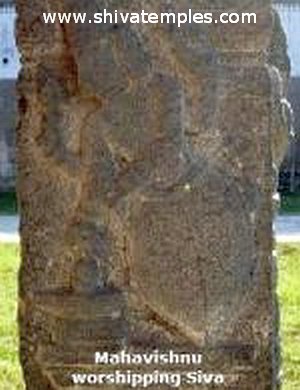
The eastern gateway leads to the eastern prakaram, where the balipeetam, dwajasthambam, and Nandi are located. In the southern outer prakaram is the Nakshatra Mandap, a grand hall supported by 27 pillars, each representing one of the 27 star constellations (nakshatras). The sannidhi of Thyagarajaswamy is situated within this mandap. Thyagaraja is worshipped here as Ubaya Vidangar, who is believed to have shown his divine dance to Mahavishnu. One of the pillars in the hall features a sculpture depicting Mahavishnu in his Kurma incarnation worshipping Shiva, beautifully illustrating the temple’s sacred legend.
Inner Sanctum & Sannidhis
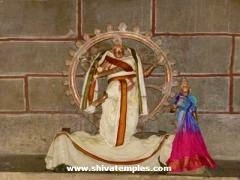
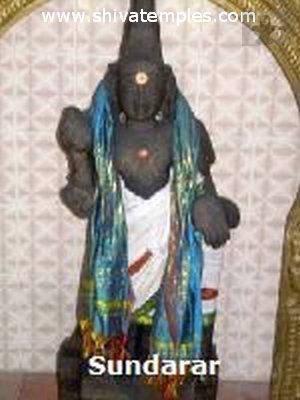
The entrance to the sannidhi of Devi Anjanakshi is located to the south of the Nakshatra Mandap. The goddess is depicted with four celestial arms, and her sannidhi is surrounded by a prakaram that allows devotees to perform pradakshina. Access to the sannidhi of the presiding deity, Kachchapeshwarar, is through a doorway from a mandap situated opposite the goddess’s shrine. The sanctum is surrounded by a moat-like structure, and the deity is worshipped here in the form of a Swayambhu Lingam. In the prakaram around the sanctum, the idols of the four primary Nayanmars are located in the south-eastern corner, while the sannidhi of Nataraja and Sivakami is situated in the north-eastern corner. The Goshta images include Vinayaka, Dakshinamurthy, Mahavishnu, Brahma, and Goddess Durga. The northern outer prakaram houses the sannidhis of Muruga and Virundu Itta Eeshwarar, both facing east. Next to the shrine of Virundu Itta Eeshwarar is a north-facing sannidhi dedicated to Sundarar. This section of the prakaram also includes the shrine of Bhairava, the guardian deity of the temple.
Alakoil Hill Temple
The Alakoil hill temple, associated with the Tirukachchur temple, is located about 1 km away. The presiding deity here is Marundeeshwarar, and the goddess is known as Irul Neekiya Ammai. The saint-poet Arunagirinathar has sung in praise of Lord Muruga at Tirukachchur in his Tirupugazh hymns. Muruga appears here in a majestic form with four divine arms, accompanied by his consorts Valli and Deivanai. The pathikam (hymn) composed by Sundarar in praise of this temple is found in the 7th Tirumurai.
Gallery - Tirukachchur Alakkovil Temple