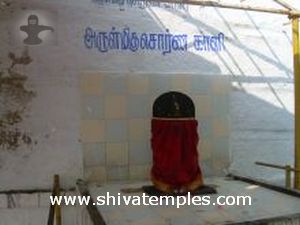
Vaacheeswarar temple, Tirupaachur
Location
Tiru-Paachur
Deity
Vaacheeswarar
Female Deity
Thangaathali Amman
Pathikam
Thirunavukarasar - 2, Sambandar -1
Gallery - Vaacheeswarar Temple
How to Reach
This Shiva temple is located about 5 km from the Tiruvallur bus stand, along the road leading to Tiruttani. The village of Tiruppachur is situated near the junction where the road branches off toward Kadambattur, making the temple easily accessible by both road and public transport.
Temple Address
Thirupachur Village
Kadambathur Post
Via Tiruvallur
Tiruvallur District
PIN – 631203
Temple Hours
Morning : 7:00 - 12:00
Evening : 4:00 - 8:00
Nearby Paadal Petra Shiva Temples
Temple Legend
At this site, Maha Vishnu is believed to have worshipped Shiva to absolve himself of the dosha incurred after defeating the demons Madhu and Kaitabha, who had stolen the Vedas. Pleased with Vishnu’s deep devotion, Shiva manifested here in the form of a linga. In ancient times, this place was covered by a dense bamboo forest. As years passed, thick vegetation grew around the area, and a large snake pit formed over the spot, concealing the sacred linga beneath it.
According to temple tradition, a cow that grazed in this area would pour its milk every day over a snake pit, unknowingly revealing the presence of the sacred linga. When a passing herdsman noticed this unusual occurrence and reported it, the matter eventually reached a ruler of the Chola dynasty. Curious about the event, the king ordered an investigation, during which the hidden linga was discovered beneath the vegetation near the bamboo grove. Recognizing the divine significance of the place, the king decided to build a temple dedicated to Shiva. The presiding deity came to be worshipped as Pachur Nathar. The name “Pachur” is associated with bamboo, reflecting the bamboo forest that once covered the area. Over time, the temple and the place itself came to be known as Tirupachur, commemorating the sacred spot where the linga first manifested.
Temple Architecture
Gopuram and Praharams
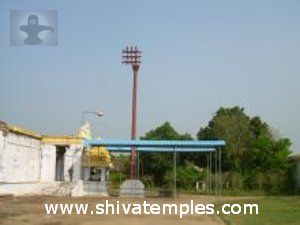
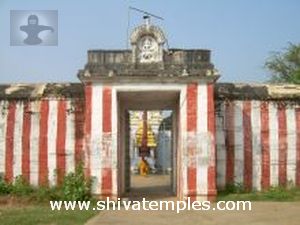
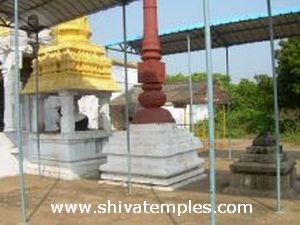
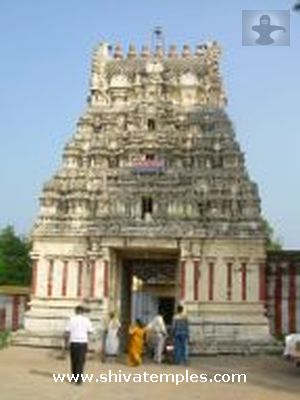
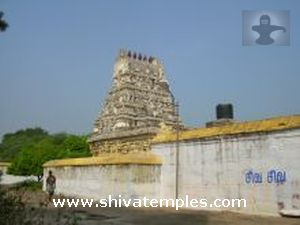
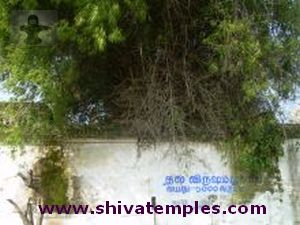
The temple is notable for its three-tiered Rajagopuram on the southern side, while the main entrance gateway is situated to the east. The temple complex contains two inner corridors (praharams), arranged in the traditional layout of many ancient Shiva temples. The outer prakaram is quite spacious. On the eastern side are the balipeetam, dwajasthambam (flagstaff), and the Nandi Mandapam facing the sanctum. Within the same eastern prakaram, there is a separate shrine dedicated to Swarnakali. Nearby stands a mature bamboo tree, which is revered as the temple’s sthala vruksham (sacred temple tree), symbolically recalling the bamboo forest that once existed at this holy site.
Inner Prakaram & Sannidhis
A pathway from the southern outer prakaram leads into the inner prakaram, where the sannidhis of the presiding deity, the divine consort, and Subramaniya are located. The sanctums of the Swamy (main deity) and Ambal (Goddess) are placed side by side and both face east. Notably, the Ambal sannidhi is situated to the right of the presiding deity, a traditional arrangement that is believed to symbolize and enhance creative and harmonious energy within the temple.
Vimana and Presiding Deity
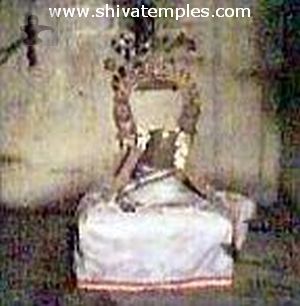
The Vimana (tower above the sanctum) of the presiding deity is built in the Gajaprushta style, a distinctive architectural form resembling the back of an elephant, which adds to the temple’s architectural significance. The presiding deity, Vaacheeswarar, is revered as a Swayambu Linga (self-manifested linga). Since the deity is believed to have emerged naturally and is not sculpted by human hands, the sacred form is not touched during worship. For this reason, the deity is also respectfully referred to as “Theenda Tirumeni Nathar”, meaning the divine form that remains untouched.
Sanctum and Deities
Dwarapalakas and Entrance
The dwarapalakas (guardian deities) standing on either side of the entrance to the sacred inner area immediately capture the attention of devotees as they approach the sanctum. Their imposing posture and detailed craftsmanship symbolize protection of the sanctum and mark the transition from the outer precincts into the most sacred space of the temple.
Ekadasa Ganesha Sabha
To the left is the Ekadasa Ganesha Sabha, which houses eleven beautifully crafted idols of Ganesha. These are arranged in an interesting layout that attracts the attention of visitors—three idols in the front row, three at the back, and five positioned along the left side. Next to this is the planetary deity Ketu. The presence of Ketu beside Ganesha holds special significance in Vedic astrology, as Ganesha is traditionally considered the presiding deity associated with Ketu, and devotees often worship here to seek relief from Ketu-related doshas and obstacles.
Goshta Images
The outer walls of the sanctum are adorned with goshta images of important deities, including Dakshinamurthy, Annamalaiyar, Durga, and Brahma. These sculptures add both spiritual and artistic significance to the sanctum’s architecture. In addition, the inner prakaram that surrounds the sanctum houses the revered idols of the three principal Nayanmars, who are deeply venerated in the Shaivite tradition and closely associated with the devotional hymns of the Thevaram.
History and Festivals
Temple Builder
The temple is believed to have been built by Karikala Chola, one of the most renowned rulers of the Chola lineage. According to local tradition, while passing through a dense bamboo forest in this region, the king discovered a sacred Shiva linga. Recognizing the sanctity of the place, he later constructed a temple there dedicated to Shiva. The temple also contains inscriptions dating back to the period of the Chola dynasty, which serve as important historical records. These inscriptions provide valuable evidence of the temple’s antiquity, patronage, and the role it played in the religious and cultural life of the region during the Chola era.
Mahashivaratri
One of the most important festivals celebrated at this temple is Mahashivaratri, the sacred night dedicated to Shiva. The observance of Mahashivaratri here is especially significant, drawing large numbers of devotees who gather to offer prayers, perform special abhishekam and rituals, and seek the divine blessings of Shiva on this auspicious occasion. The temple remains vibrant with spiritual activities throughout the night, reflecting the deep devotion associated with this festival.
Gallery - Vaacheeswarar Temple