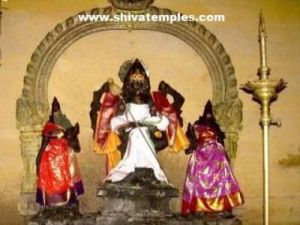
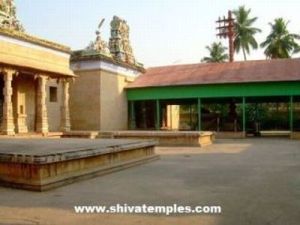
Edaganatheswarar Temple, Tiruvedagam
Location
Tiruvedagam
Deity
Edaganatheswarar
Female Deity
Elavaarkuzhali, Maadeviyambikai
Pathikam
Sambandar - 1
Gallery - Edaganathar Temple
How to Reach
This temple is located on the Madurai - Sholavandan bus route. Nearest railway station is Sholavandan.
Bus Routes:
- Route No 29A, 54A, 63, 65, 68 from Madurai Periyar Bus Stand
- Route No 28, 28A, 93 from Madurai Anna Bus Stand
- Route No 4 from Tirumangalam
Temple Address
Thiruvedagam Post
Vadipatti Taluk
Madurai District
PIN – 625234
Temple Hours
Morning : 6:30 - 12:00
Evening : 5:00 - 8:00
Contact
K. Palanikumar
8825871938, 9585359906
Nearby Paadal Petra Shiva Temples
Temple Significance
Equal to Kasi
Tiruvedagam, located near Madurai on the northern bank of the River Vaigai, is another significant Shiva temple. Since the river flows from south to north at this point, the place is considered as sacred as Kasi. It is believed that spending even a single day in Tiruvedagam and offering sincere prayers here grants blessings equivalent to those obtained from a lifetime of worship in Kasi.
Revered by Great Sages
Brahma and the esteemed sages Parasara, and Vyasa are said to have worshipped the deity in this temple. The sannidhi of Kalabhairava within the temple complex is also held in great reverence.
Temple Legend
Koon Pandian and Sambandar
Koon Pandiyan, the Pandya king of Madurai who was afflicted with a hunchback, was a follower of Jainism. His queen, Mangaiyarkkarasi, however, was a devout devotee of Lord Shiva and is revered as one of the 63 Nayanmars. At her invitation, Thirugnana Sambandar visited Madurai, where he cured King Koon Pandiyan of a severe heat-related ailment by applying Thiruneeru (sacred ash).
The Test of Faith
This incident led to a heated debate between the Jains and Thirugnana Sambandar. To prove the supremacy of their faiths, both parties agreed to a test — by casting their respective palm-leaf scrolls into the sacred fire. The Jains’ scroll was reduced to ashes, while Sambandar’s scroll, which contained the Tirunallaru Pathigam, miraculously remained untouched by the flames.
Against the Current
The Jains’ scroll was cast into the river and drifted away with the current, while Sambandar’s scroll miraculously moved against the flow. Astonished by this divine occurrence, Kulachiraiyar, the minister of the Pandya king, followed the scroll’s path until it came to rest at a sacred spot along the riverbank.
Discovery of the Shivalinga
At that very spot, the Pandya king discovered a Shivalinga and, overwhelmed by divine grace, resolved to build a temple in its honor. This sacred shrine came to be known as Thiruvedagam, one of the celebrated Paadal Petra temples.
Temple Architecture
Location and Layout
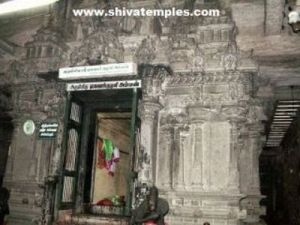
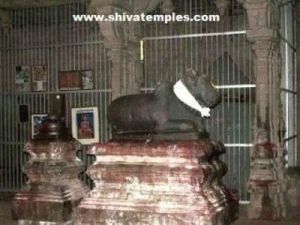
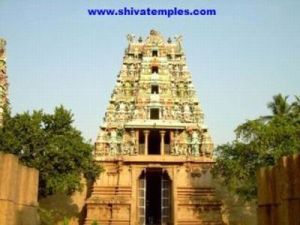
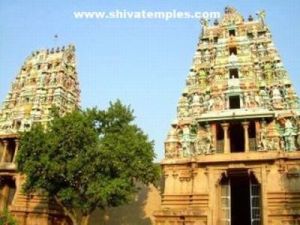
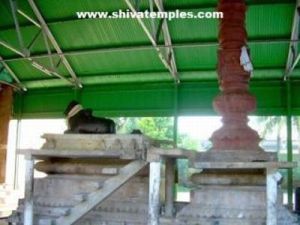
The temple is situated on the northern bank of the River Vaigai and is distinguished by two separate gopurams, each leading to a different sannidhi. The main gateway opens into the Kambathadi Mandapam, which houses the Dwajasthambam, Balipeetam, and Nandhi, all placed on an elevated platform.
Main Sanctum
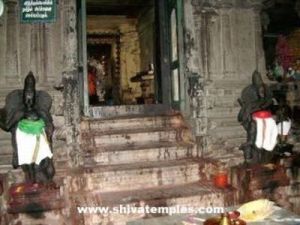
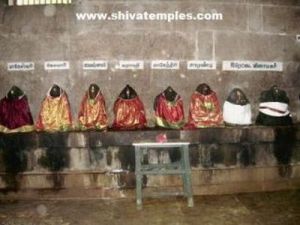
From the Kambathadi Mandapam, another gateway leads to the east-facing sanctum of the presiding deity, Edaganatheswarar, who manifests here as a Swayambhoo Linga (self-manifested form). The prakaram surrounding the sanctum houses shrines for the 63 Nayanmars, the Sapthamathas, Vinayaka, and Lord Muruga along with His consorts Valli and Deivanai.
Goshta Murthas
On the outer wall surrounding the sanctum, the Goshta Murthis include Dakshinamurthy, Lingodhbhavar, Goddess Durga, and Brahma, each enshrined in their respective niches.
The Malaya Bell
The sannidhi of the divine consort, Goddess Edavarkuzhali, is situated separately, to the right of the main sanctum of Edaganatheswarar. According to the Sthala Purana, the bell adorning the entrance of this sannidhi was brought from Malaysia.
Notable Features
Within the prakaram surrounding the shrine of the Goddess, there is a sannidhi for Chandikeswari. Notably, a stone pillar in this enclosure bears a beautifully carved sculpture of Thirugnana Sambandar, adding to the temple’s spiritual and artistic significance. The Pathigam composed by Thirugnana Sambandar in praise of this temple is found in the 3rd Thirumurai.
More Photos - Edaganathar Temple