KAlaiappar Temple, TirukkAnapper (KAlayar Kovil)
Location
TirukAnapper (KAlayar Kovil)
Deity
KAleeswarar, Someswarar, Sundareswarar
Female Deity
Swarnambikai, Soundara Nayaki, Meenakshi
Pathikam
Sambandar - 1, Sundarar - 1
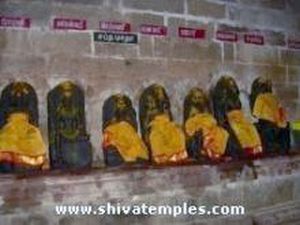
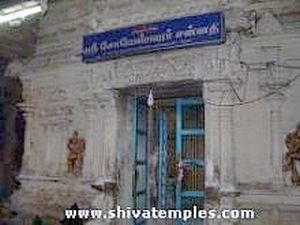
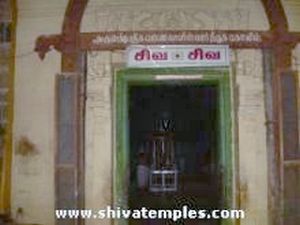
Gallery - Kaaleeswarar Temple
How to Reach
This Shiva temple at Kalayarkovil is 20 kms to the east of Sivagangai on the Sivagangai-Thondi road and is about 37 kms from Karaikudi. Railway Station: The railway station at Shivagangai is on the Karaikudi-Manamadurai section of the Southern Railway. Bus Services: Buses are available from Madurai, Shivagangai, Karaikudi, Thiruvadanai and Devakottai.
Temple Address
Kalaiyarkoil
Sivaganga District
PIN – 623351
Temple Hours
Morning : 6:00 - 12:00
Evening : 4:00 - 7:45
Temple Architecture - Three Divine Sannidhis
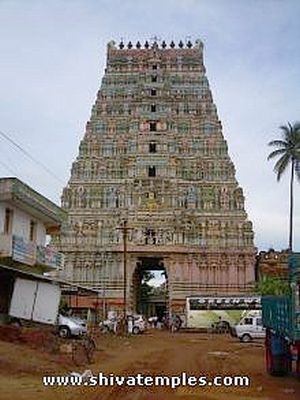
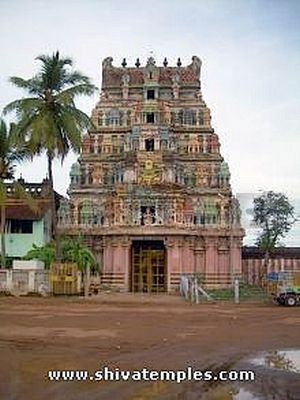
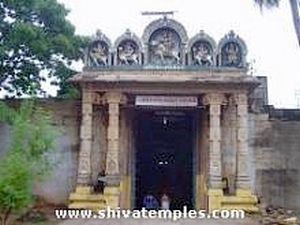
This Shiva temple in Tirukanaper stretches across a sprawling 4-acre complex. It features two east-facing gopurams—an impressive 9-tiered tower standing 157 feet tall, built by the Maruthu Pandyas, and a smaller yet elegant 5-tiered gopuram constructed by the Pandya king Sundara Pandiyan. There are two prakarams within the temple complex, which also houses three separate sannidhis dedicated to three deities:
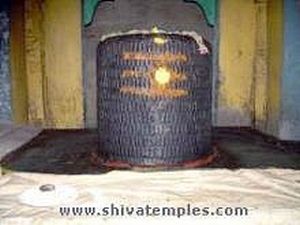
- SwarnaKaleeshwara (Center) - The presiding deity on whom the Thevara Pathikam is sung (Swayambu Murthy)
- Someshwara (Right side) - Divya Lingam
- Sundareshar (Left side) - Manuda Lingam
All the temple properties are registered under the name of the presiding deity, SwarnaKaleeshwara. During festivals, the Urchava idol of Someshwara is taken out in procession, while all forms of nivedhanam and offerings are made to Sundareshar.
All three sannidhis face east, including that of the female deity Suvrnavalli, which is situated to the left of the Sundareswarar sannidhi. The other two female deities are enshrined in their respective south-facing sannidhis. Uniquely, this temple also features three distinct Palli Arai (sleeping chambers), a rare architectural distinction not found elsewhere.
Temple Legend
Kali's Transformation
After slaying the demon Chandasuran, Kali prayed to the deity here to be absolved of the sin of killing. At this sacred site, she relinquished her fierce form and underwent a divine transformation, assuming the graceful and beautiful form of Suvarnavalli, in order to unite in matrimony with SwarnaKaleeshwara. This temple commemorates the divine marriage of Kali—who, upon transforming into Suvarnavalli—united with Lord Shiva as SwarnaKaleeshwara. The sacred union symbolizes the victory of divine grace over fear and darkness.
Legend of Airavata - The Sacred Elephant
Indra’s elephant, Airavata, once discarded a garland that had been given to him as prasadam by a sage, and was cursed for this act of heedlessness. To be freed from the curse, Airavata came to this sacred site and worshipped the deity. With deep devotion, he dug a pit using his tusk to draw water and perform the ritual of abhishekam. His sincerity and devotion earned Airavata the liberation he sought, allowing him to return to Devaloka. In the course of time, the pit he created with his tusk gradually evolved into a sacred pond known as Gajapushkarani—a remarkable waterbody that is believed to never dry up.
Gajapushkarani Theertham
Situated at the center of this square pond is a mandapam used for various religious ceremonies. According to the Skanda Purana, it is believed that Lord Rama bathed in this sacred waterbody to purify himself of the Brahmahati dosha incurred by slaying Ravana. This holy pond, known for its sanctity and significance, is located outside the temple complex, directly opposite the gopurams.
Sacred Water Bodies (Theerthams)
The Shiva Ganga Theertham was created by Kali for her worship. Sthala Vruksham: Kokum tree. The temple is associated with several other sacred water bodies:
- Shiva Ganga Theertham
- Vishnu Theertham
- Saraswati Theertham
- Gauri Theertham
- Rudra Theertham
- Lakshmi Theertham
- Sudarsana Theertham
Spiritual Significance - Mukthi Sthalam
This place is regarded as a Mukthi Sthalam—a sacred site believed to grant mukthi (liberation) to those who are born here or attain their final moments here. It is also said that the accumulated sins of one’s past lives are absolved at this holy place. According to legend, Indra—during the period of his curse—visited numerous temples seeking relief. When he arrived at this sacred site, he realized that worshipping here bestowed the merit of visiting a thousand temples. The temple also houses a dedicated sannidhi for the Sahasralingam (1000 Lingams), and its golden Palli Arai (sleeping chamber) is a unique feature found nowhere else.
Historical Significance - Maruthu Pandiya Brothers
In the 19th century, the Maruthu Pandiyar brothers sought refuge in a forest after waging battle against the British. In their attempt to capture them, the British authorities threatened to demolish the magnificent temple tower unless the brothers surrendered.
Despite knowing the consequences, the Maruthu Pandi brothers courageously chose to surrender, sacrificing their lives to protect the temple’s towering gopuram. They were subsequently executed by the British army, and their heroic sacrifice ensured that this architectural treasure would stand preserved for generations to come.
Sundarar's Divine Vision
During his pilgrimage with the Chera King, Sundaramurthy Nayanar arrived at Tiruchuzhiyal and chose to rest for the night. That very night, Lord Shiva appeared to Sundarar in a dream in the form of a majestic bull, holding a golden coin in His mouth and wearing the divine crown known as Thirumudi. He revealed that His sacred abode is at Kanapper—and with that divine message, He vanished. Subsequently, Sundarar, accompanied by the Chera King, visited the temple at Tirukanapper and composed a pathikam in praise of the deity. In every verse, he highlights that the deity of this sacred place appeared in the form of a bull.
More Temple Photos